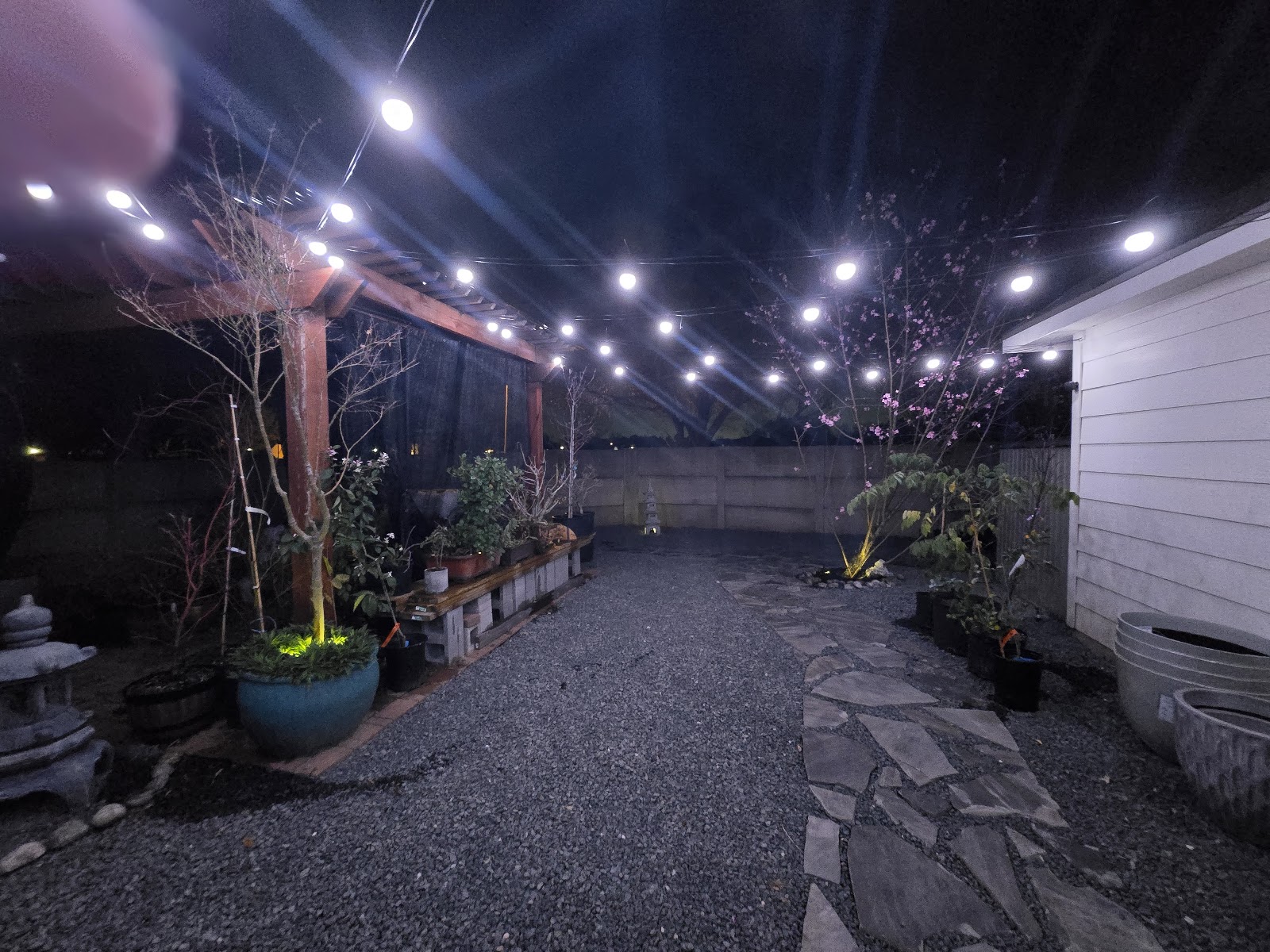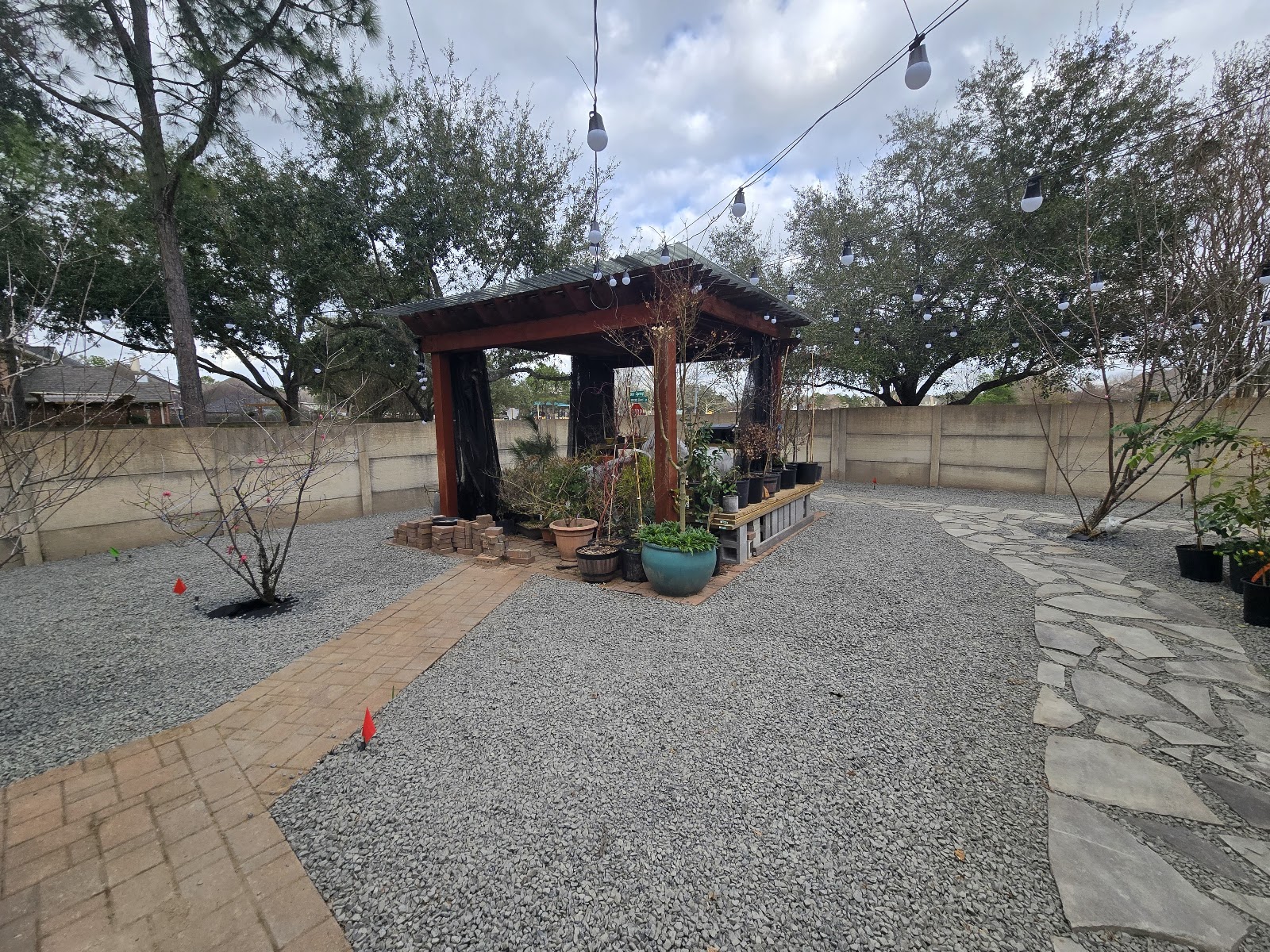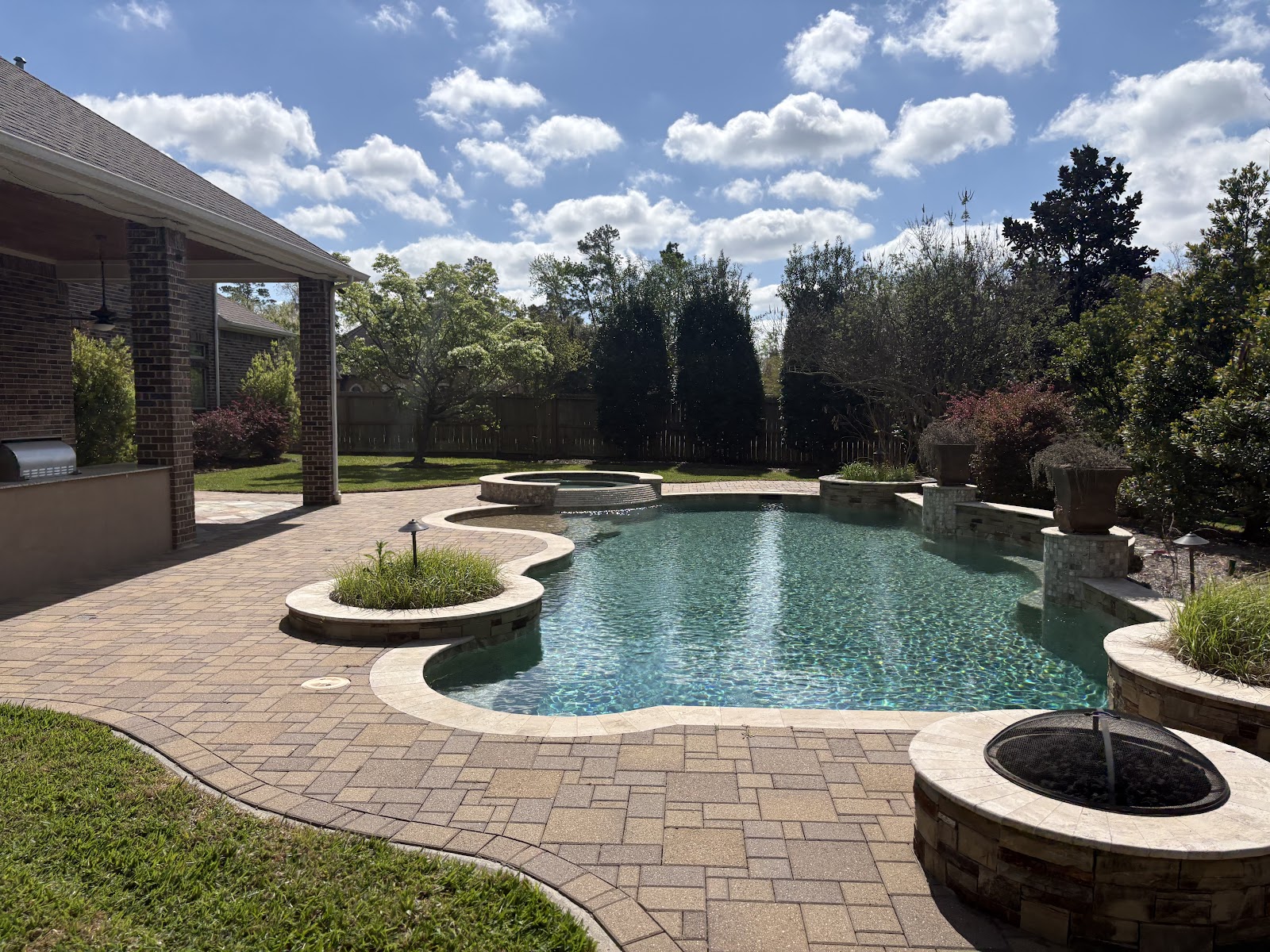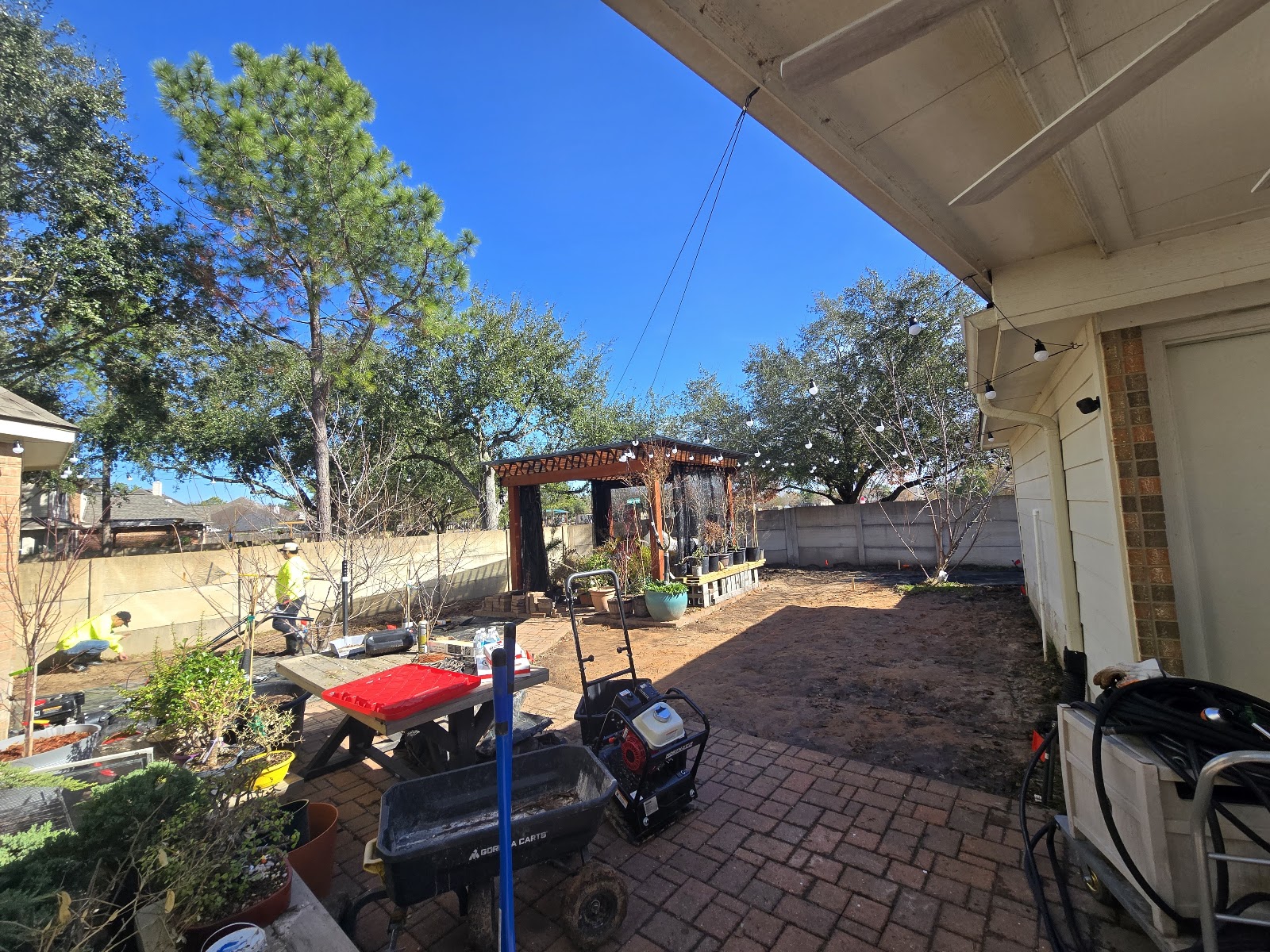
Weeds in gravel are one of the most common problems I see in Houston yards, and they're frustrating because gravel looks clean and low-maintenance until those green shoots start poking through. The issue isn't that your gravel is bad or that you're doing something wrong. It's that Houston's climate, soil, and moisture create ideal conditions for seeds to germinate in just about any material you put down. The good news is that you have real options, and some of them work better than others depending on your situation.
Why Weeds Grow Through Gravel in the First Place
Gravel doesn't stop weeds. It just covers the soil. Seeds blow in from neighboring yards, settle into the gaps between rocks, and germinate when they get moisture and warmth. Houston's heat and humidity make this worse. We get rain regularly, and that moisture feeds whatever seeds land in your gravel bed. If your gravel is sitting directly on soil without a barrier underneath, weed roots can push up from below too. Some of the worst cases I've seen are where gravel was laid thin, maybe two inches or less. Shallow gravel means less material between the seed and the soil it needs.
Start With a Proper Barrier
The foundation of stopping weeds is landscape fabric. This is the single most important step, and it's worth doing right from the start. I recommend a quality woven fabric, not the cheap plastic stuff. Woven fabric lets water through so it doesn't pool, but it blocks most weed seeds and underground roots. Lay it down before you add any gravel, overlapping seams by at least six inches. Pin it down so wind doesn't shift it around.
If you already have gravel down and weeds are a problem, you can still add fabric. Pull back the gravel, lay fabric over the soil, and replace the gravel on top. It's more work than doing it right the first time, but it works.
Depth and Type of Gravel Matter
Thin gravel fails fast. I tell customers to use at least three inches of gravel over landscape fabric. That extra depth makes it harder for weed seeds to reach soil, and it covers more of the fabric so less is exposed. The type of gravel matters too. Angular gravel like crushed limestone or granite compacts better than smooth river rock, which means fewer gaps for seeds to settle into. River rock looks nice, but it's looser and shifts more easily, creating pathways for weeds.
In Houston, I often recommend crushed limestone because it's local, affordable, and holds up well in our weather. It compacts down and stays put better than other options.
Chemical Control When You Need It
If weeds are already growing through, you have options. Pulling them by hand works if you only have a few, but make sure you get the whole root. For larger infestations, a pre-emergent herbicide applied to the gravel surface in early spring stops seeds from germinating in the first place. Post-emergent weed killer works on existing weeds. The key is timing. In Houston, you want to hit pre-emergent applications in February and March before our hot season kicks in.
I don't recommend using strong chemicals near plants or in areas where kids and pets spend time. There are gentler options available. If you're not comfortable applying herbicides yourself, this is a job where it makes sense to call someone. The cost is usually under 100 dollars for a small area.
Manual Removal and Maintenance
Regular removal is the simplest approach if you stay on top of it. Pull weeds when they're young and the soil is moist, ideally after rain. Young weeds come out easier and don't drop seeds. A hand tool like a scuffle hoe works well for larger areas. The worst mistake people make is letting weeds mature and drop seeds back into the gravel. One weed today becomes twenty weeds next month.
If you keep up with weekly or bi-weekly removal during the growing season, you can manage weeds without chemicals. It's time, but it's reliable.
Know When to Start Fresh
Sometimes the best solution is to remove the old gravel, add fresh landscape fabric, and lay down new gravel. This makes sense if your gravel is thin, old, or heavily infested with weeds. It's an investment, but it gives you a clean slate and usually solves the problem for several years. In Houston, I recommend refreshing gravel every three to four years anyway because our sun breaks it down and our rain washes it around.
Combine Methods for Best Results
The yards that look best year-round are the ones using multiple strategies. Good fabric, proper depth, regular maintenance, and a pre-emergent application in spring work together. You don't need to do all of them at once, but combining them gives you the best chance of keeping weeds minimal.
If your gravel beds are becoming more weeds than gravel, or if you're spending too much time pulling, reach out to UVP Lawn Care and Landscaping. We can assess your setup, fix the barrier if needed, and set up a maintenance plan that keeps your gravel looking clean. Give us a call.