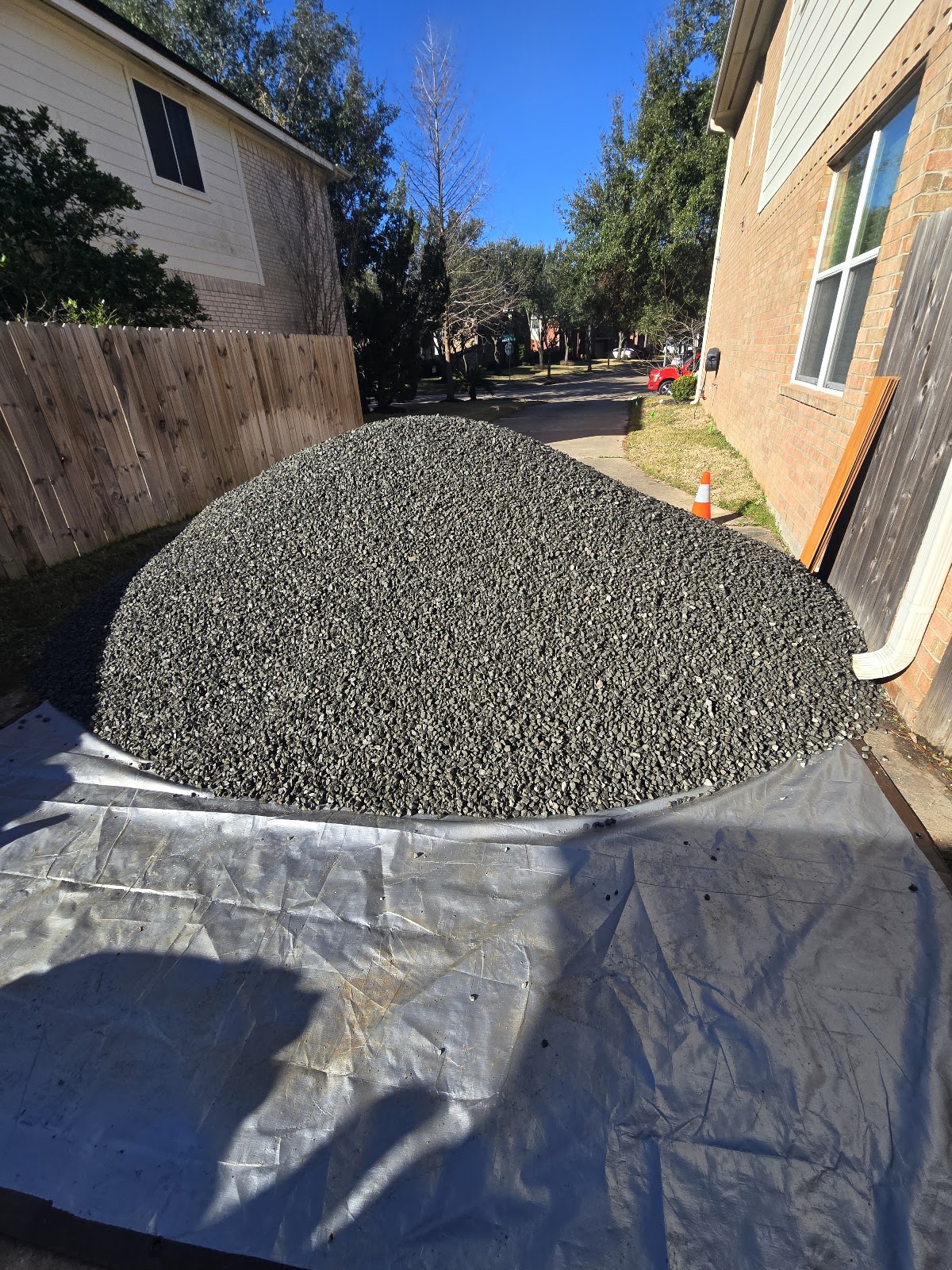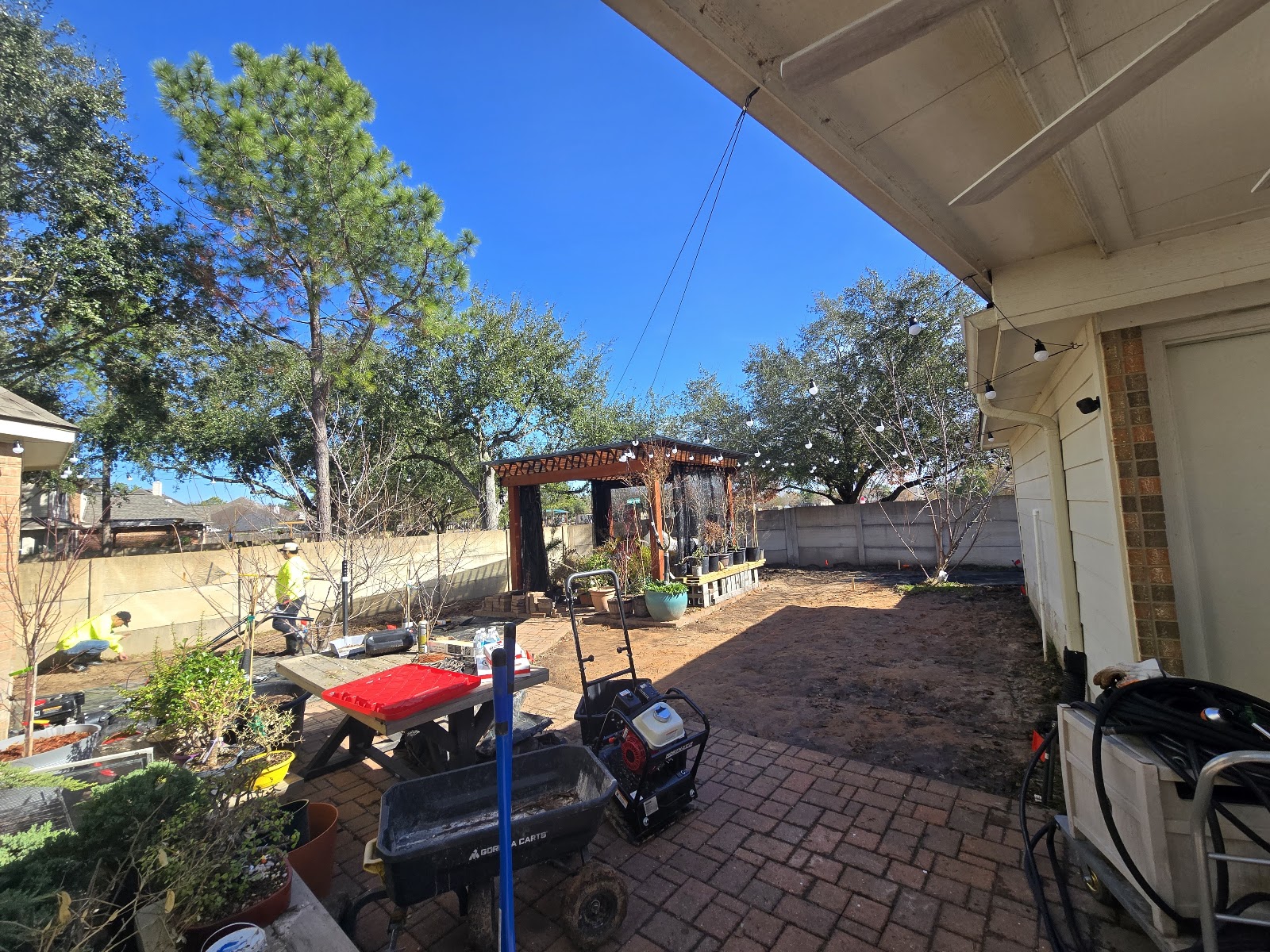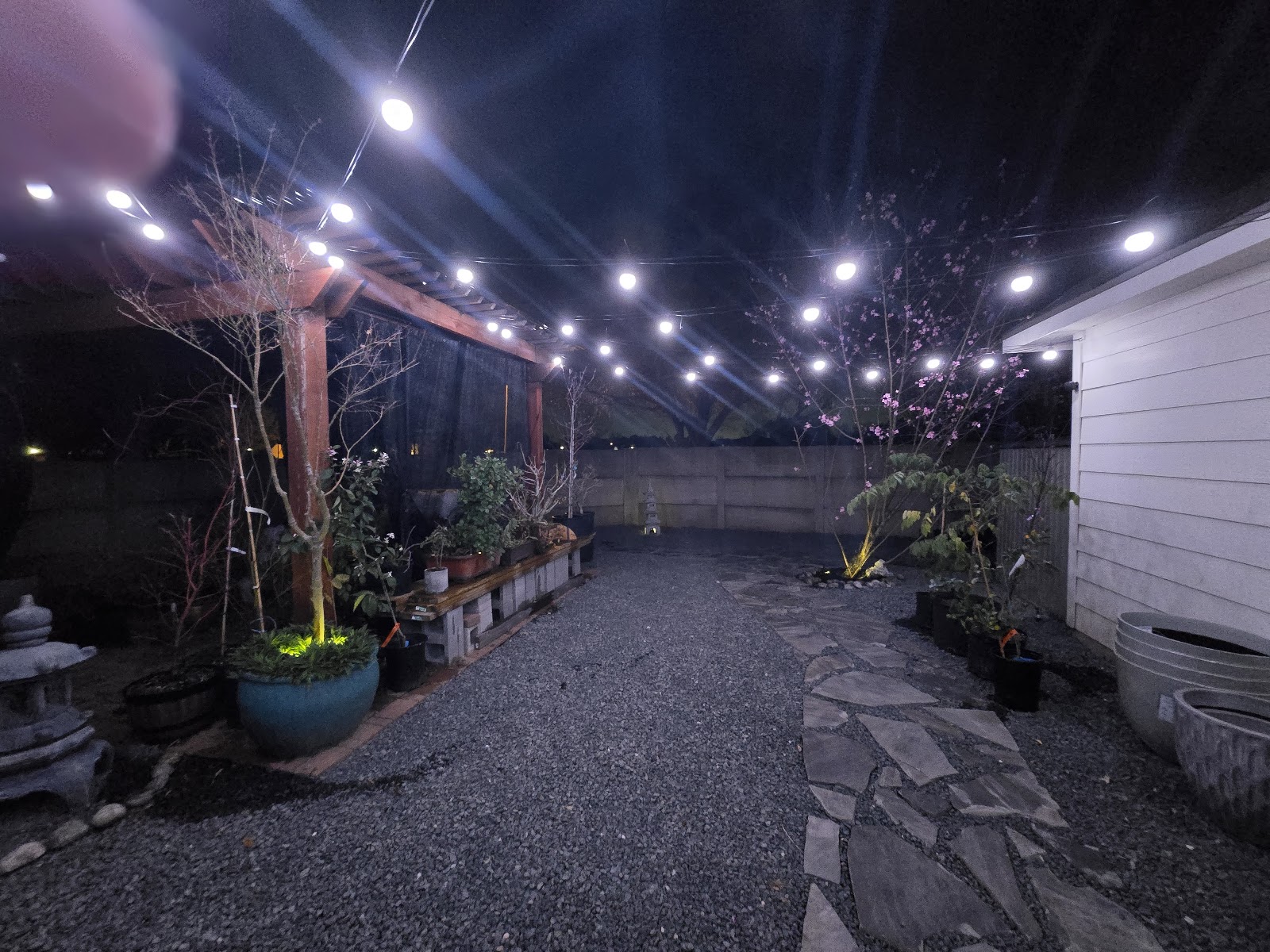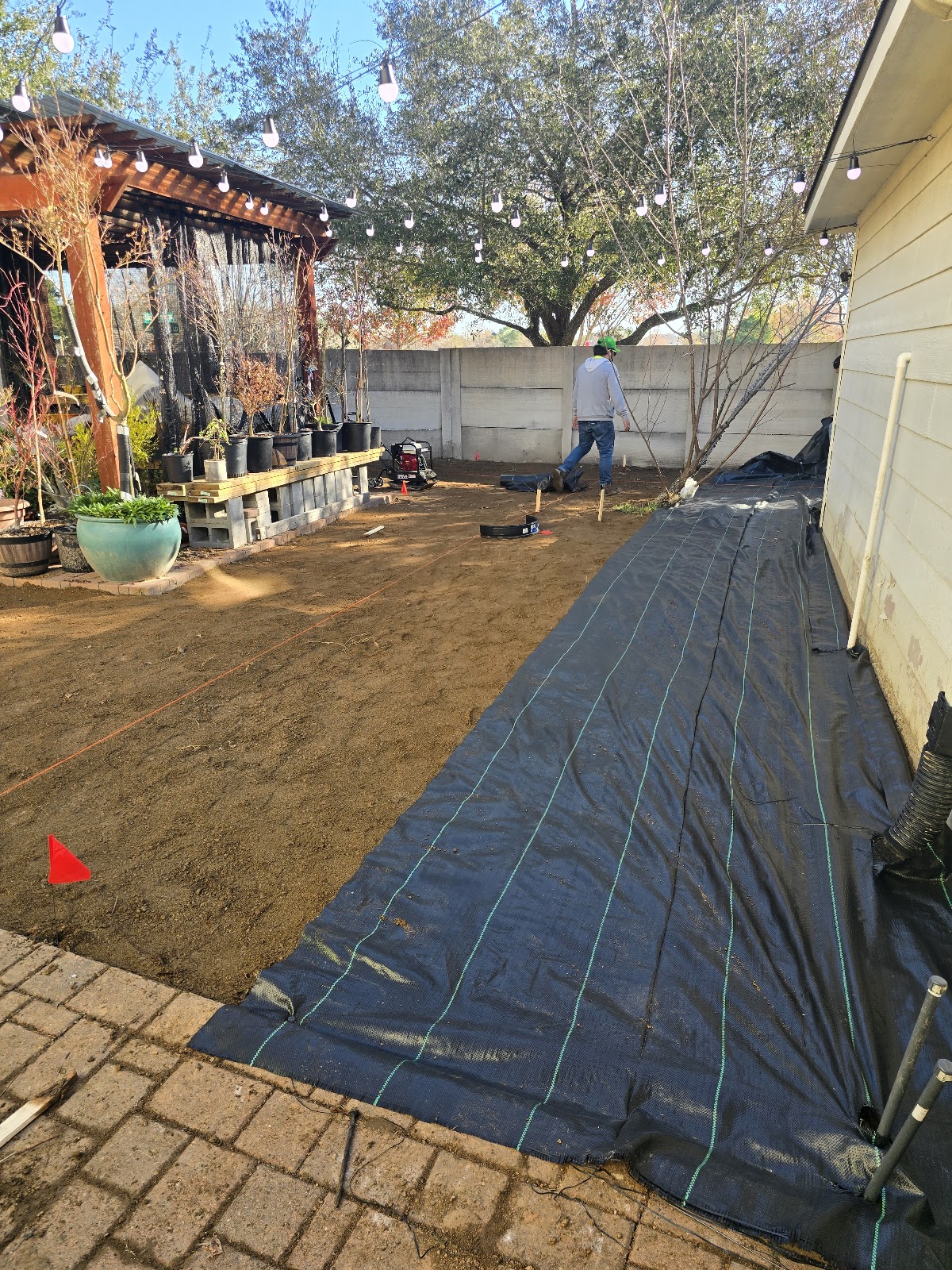
When you're planning a patio or walkway in Houston, the stone you choose makes a real difference in how it looks and how much work it takes to maintain. Black star gravel and crushed granite are two popular options around here, and they're not the same thing. Black star gravel is angular crushed rock with a dark color, while crushed granite is exactly what it sounds like, granite broken into smaller pieces. Both work in our heat and humidity, but they behave differently once they're down. Knowing the actual differences helps you pick the right material for what you're actually trying to do.
Black Star Gravel Holds Its Shape Better
Black star gravel stays in place longer than rounded stones. The sharp edges lock together, which matters in Houston where we get heavy rain and people walk on patios constantly. When water hits your patio, those angular pieces don't shift around as easily. You'll notice this especially if you have foot traffic between your patio and your house or garage. With rounded gravel, people's footsteps create ruts and low spots. Black star gravel compacts and stays more stable underfoot. That said, you'll still need to rake and refresh the top layer every couple of years because the edges wear down and material migrates into surrounding areas.
Crushed Granite Looks More Refined
Crushed granite has a more finished appearance. The pieces are typically smaller and more uniform in size, and you get a mix of colors, not just black. In Houston, crushed granite patios have that polished look that works well if your house is more upscale or if you're trying to match existing stone features. It compacts reasonably well, though not quite as firmly as black star. The main trade-off is that crushed granite requires more frequent maintenance. It spreads more easily under foot traffic and rain. You're raking and topping it off more often, which gets expensive over time. If you're not committed to that maintenance, black star will frustrate you less.
Heat and Humidity Are Real Factors Here
Houston's heat and moisture affect both materials, but differently. Black star gravel stays cooler to the touch because of its dark color, but that darkness also means it absorbs more heat. If you walk barefoot on black star in July, it gets hot. Crushed granite, with its lighter tones, reflects more heat and stays cooler. That matters if kids or pets use the patio. Both materials can develop algae or moss growth in shaded spots because of our humidity. You'll need to pressure wash either one occasionally to keep it clean. If you go with crushed granite and it's in shade, plan on washing it every year or so. Black star can hide dirt better, but it still needs cleaning in moist areas.
Cost Difference and Long-Term Math
Black star gravel typically costs less upfront, sometimes 20 to 30 percent cheaper per ton than crushed granite in the Houston area. Installation is similar for both, so your main difference is material cost and maintenance. Here's the real calculation, though. Black star lasts longer before needing replacement because it doesn't spread as much. Crushed granite needs topping off more frequently. If you're building a patio you plan to keep for ten years, black star often ends up cheaper overall. If you're renting or planning to move soon, crushed granite's nicer look might be worth the extra maintenance cost. Just be honest about whether you'll actually rake and maintain it. A neglected crushed granite patio looks worse than a neglected black star one.
Which One Makes Sense for Your Patio
Choose black star gravel if you want something stable, lower maintenance, and budget-friendly. It works well for side yards, dog runs, utility areas, and any space where appearance takes a back seat to durability. Choose crushed granite if your patio is visible from the house, if you want a polished look, and if you're willing to refresh it regularly. It's also the better choice if the patio gets afternoon shade and stays cool. In Houston's climate, neither option is wrong. Both will work for years if you install them properly over a good base layer. The base matters as much as the top layer. You need at least three inches of compacted material with proper grading so water drains away from your house.
If you're ready to build or refresh a patio and want to see how black star or crushed granite would look on your property, UVP Lawn Care & Landscaping can help you plan it and get it installed right. We also handle pressure washing once your patio is in place. Give us a call and we'll walk through the options with you.