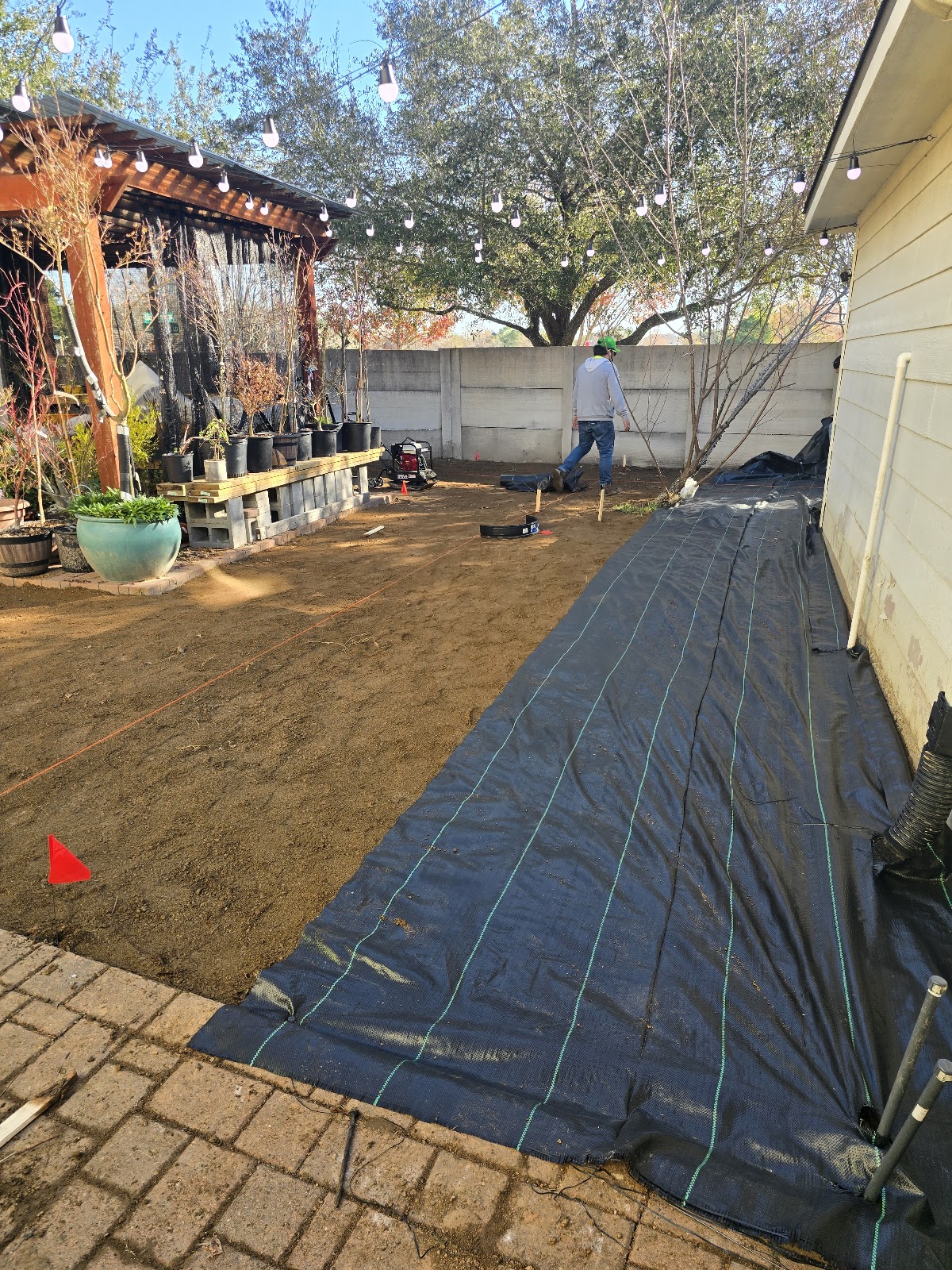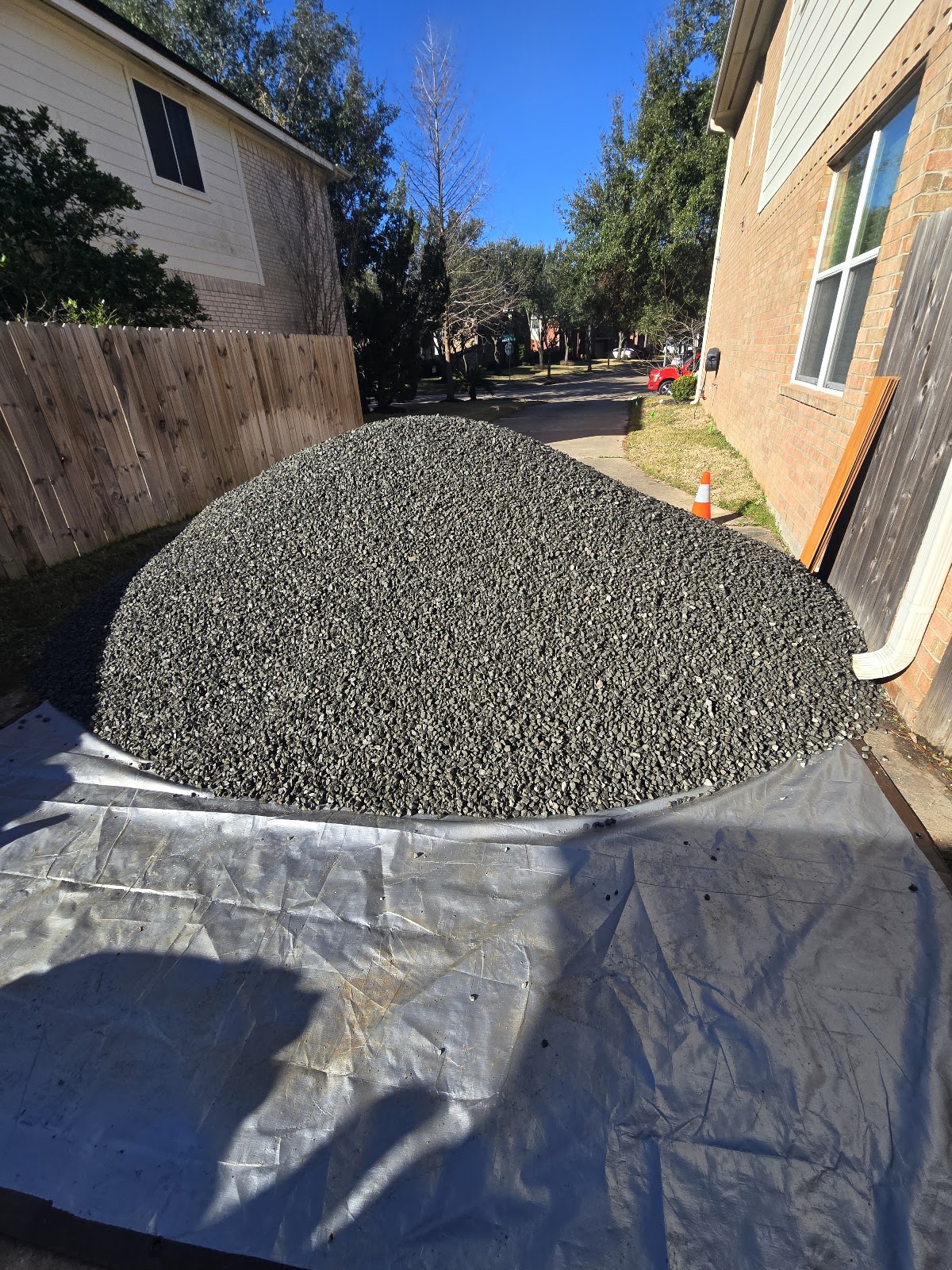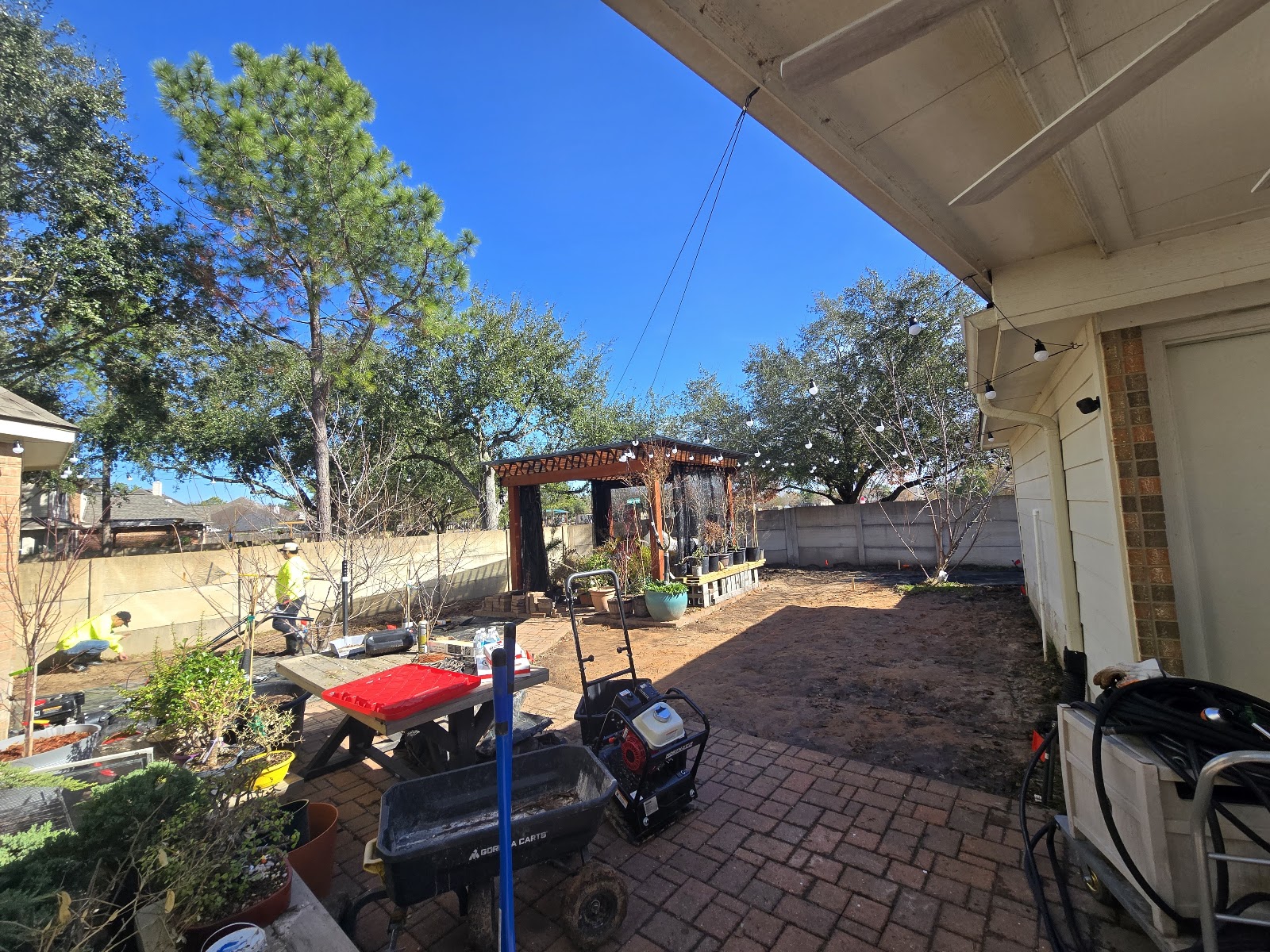
When you walk out your back door after a heavy Houston rain, do you see standing water, muddy patches that won't dry out for days, or grass that looks sick in certain spots. That's your yard trying to tell you something. The question most homeowners get wrong is whether they need to fix the land itself or just improve how water moves through it. Both problems look similar on the surface, but they need different solutions. Grading costs more money and takes heavier equipment. Better drainage might be a simpler fix that solves the problem in a season or two. Before you spend thousands, you need to know which one your yard actually has.
The difference between a grading problem and a drainage problem
Grading is about the slope and shape of your land. If your yard slopes the wrong way, water pools in low spots instead of running off. You might have a depression near your house, or a flat area where water just sits. Fixing this means bringing in soil, reshaping the land, and sometimes removing trees or hardscape to change how water flows across the surface.
Drainage is about what happens when water gets into the soil. Even on properly sloped land, soil can be compacted, clay-heavy, or just too dense for water to soak through. In Houston, clay soil is the norm, and clay doesn't drain fast. Good drainage solutions include adding drain lines, amending the soil with sand or compost, aerating, or installing a French drain. These work with the slope you have.
Signs you have a grading problem
If water consistently pools in the same spot no matter how much rain falls, you likely have a grading issue. Walk your yard when it's dry and look at the low points. Where does water naturally want to collect. If that spot is near your foundation, in the middle of your lawn, or at the back corner of the property, you have a topography problem.
Another sign is that water stays in the same location for more than a day after rain stops. If it takes 24 to 48 hours for pooled water to disappear, drainage might be part of it, but a slope problem is usually the main culprit. Houston gets humid, but the ground should dry reasonably fast once rain stops.
Check whether the problem happens everywhere or just one area. If only one corner or one side of the yard stays wet, grading is likely your issue. If multiple spots drain poorly, you might have a soil problem instead.
Signs you have a drainage problem
Poor drainage shows up as grass that's always soft underfoot, even when it hasn't rained recently. The soil stays boggy. You might see algae or moss growing on the lawn because the ground stays damp and shaded areas don't dry out. Compacted soil is a common drainage problem in Houston yards, especially if the property has been heavily used or if construction equipment ran over it.
Another clue is that water drains away from the area but the ground stays muddy. The surface water leaves, but the soil underneath is saturated. This means water is getting into the ground, but not moving through it fast enough. Soil amendments and aeration can fix this.
If you've had the same yard for several years and the drainage problem is getting worse, compaction is likely to blame. Foot traffic, lawn equipment, and settling all compress soil over time. Texas clay gets harder and more water-resistant as it compacts.
How Houston's clay soil complicates things
Houston sits on dense clay that doesn't let water through easily. This is why drainage problems are so common here. Even a yard with good slope can have terrible drainage because the soil itself is the problem. You can't change the fact that clay is here, but you can work around it.
Adding compost, sand, or other organic material to the top few inches helps break up clay and gives water a path through the soil. Aeration punches holes in the ground to relieve compaction. In Houston, fall and spring are the best times for both of these because the ground isn't baked hard or waterlogged.
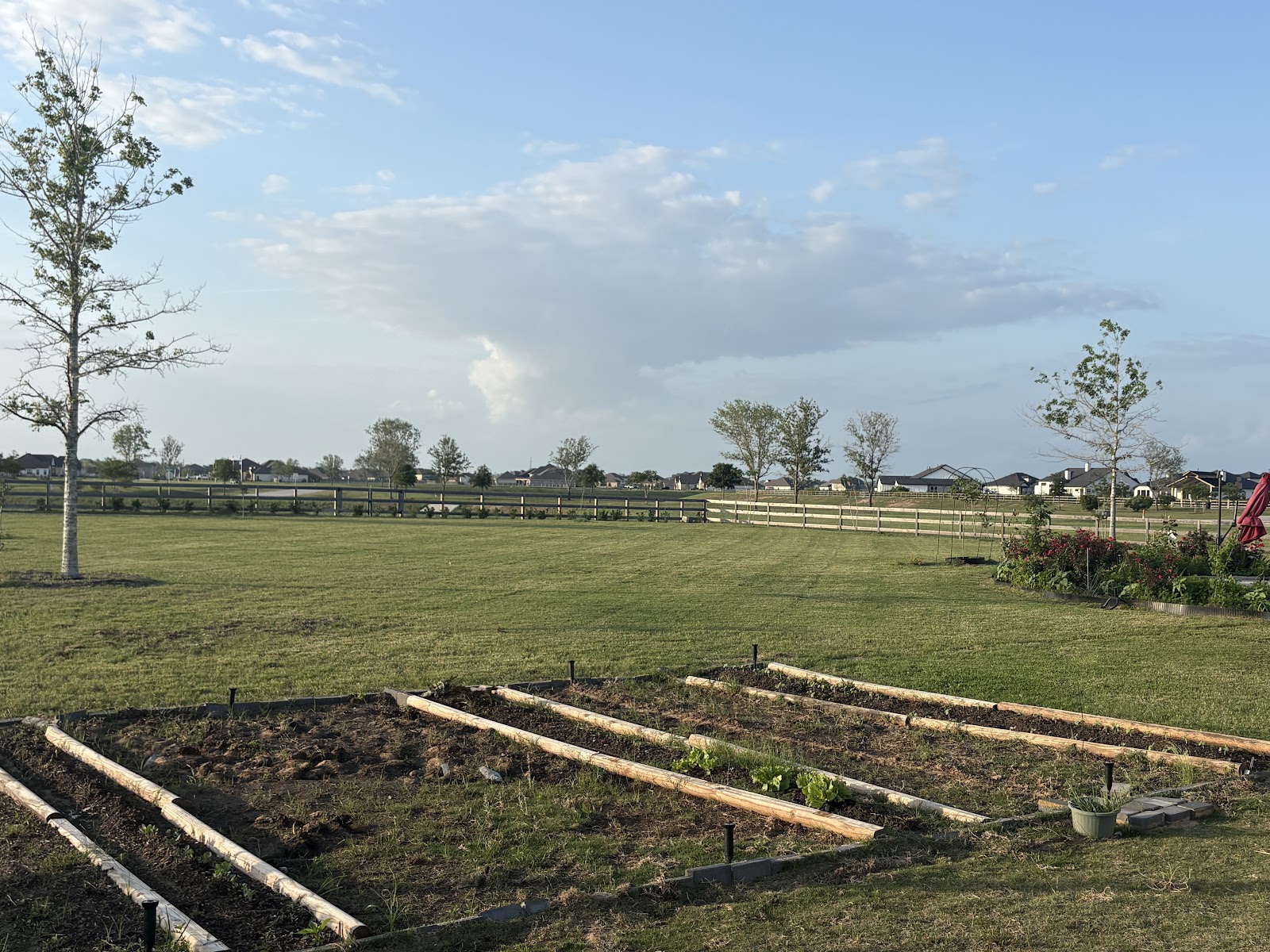
If you're planning landscaping changes, consider raised beds or berms that sit above the native clay. This gives you control over the soil and drainage in those areas.
When you need both grading and drainage work
Some yards have both problems. The land slopes wrong and the soil doesn't drain. In that case, you start with grading because it's the bigger structural issue. Reshape the land so water doesn't pool, then address the soil. Trying to fix drainage first when grading is wrong is like bailing out a boat with a hole in it.
Get a professional look at your yard if you're not sure. A simple walk-through can usually tell you whether the problem is slope or soil. If water is pooling in a low spot, that's grading. If water disappears but the ground stays wet and soft, that's drainage.
UVP Lawn Care and Landscaping in Houston can assess your yard and tell you what's actually going on. We work with Houston's clay and weather every day, and we know which fix will actually solve your problem. Call us to schedule a yard evaluation.