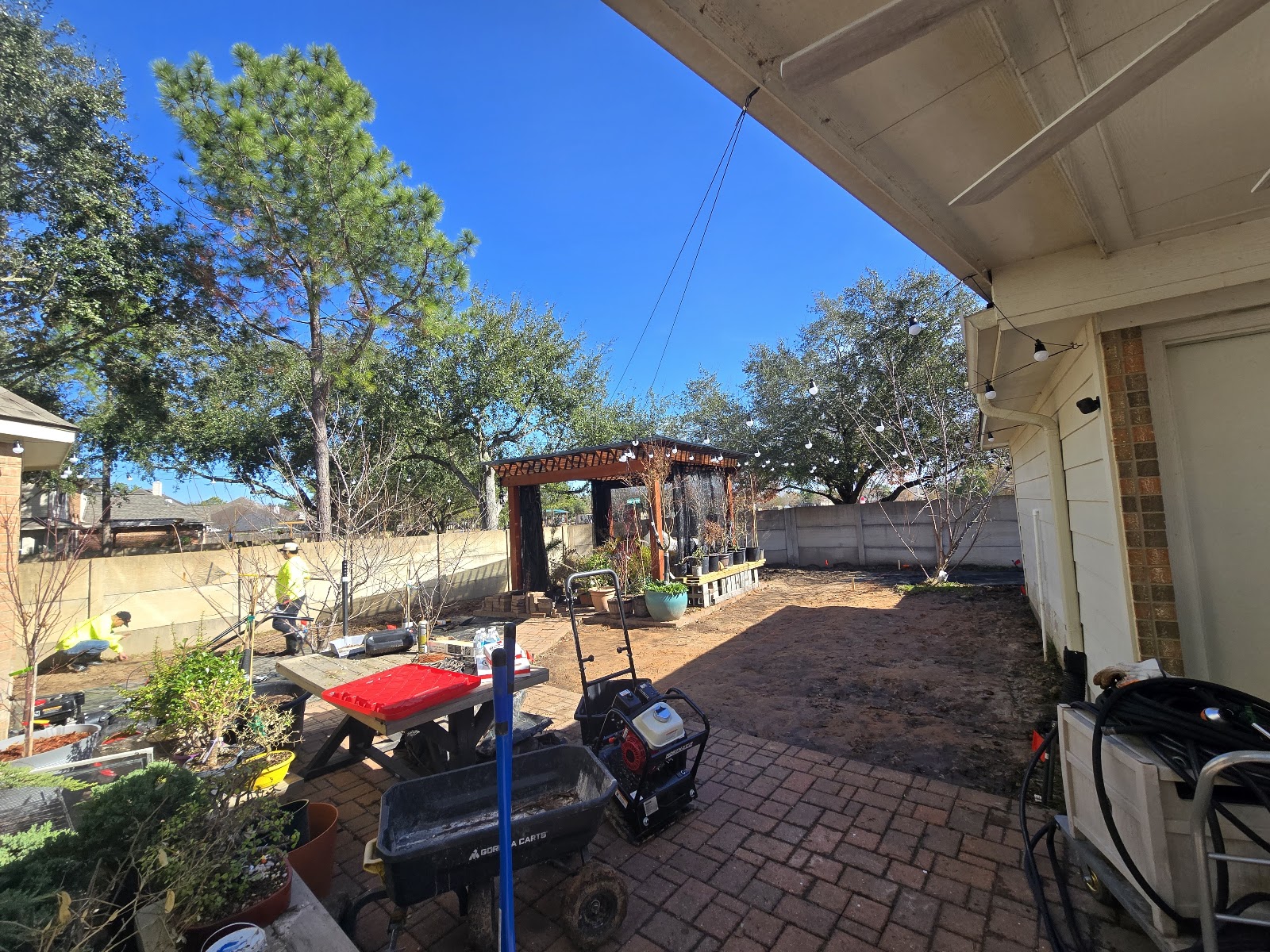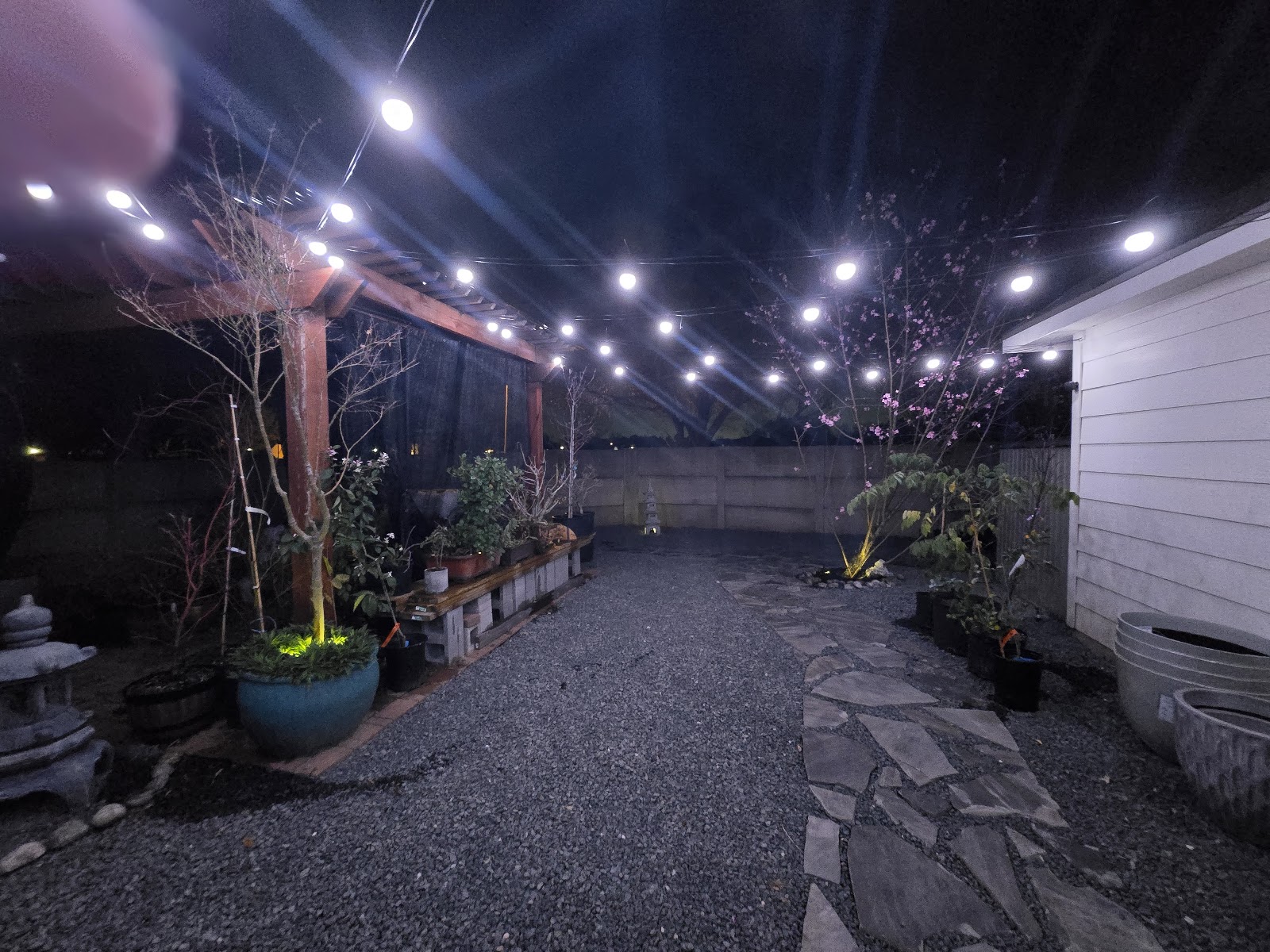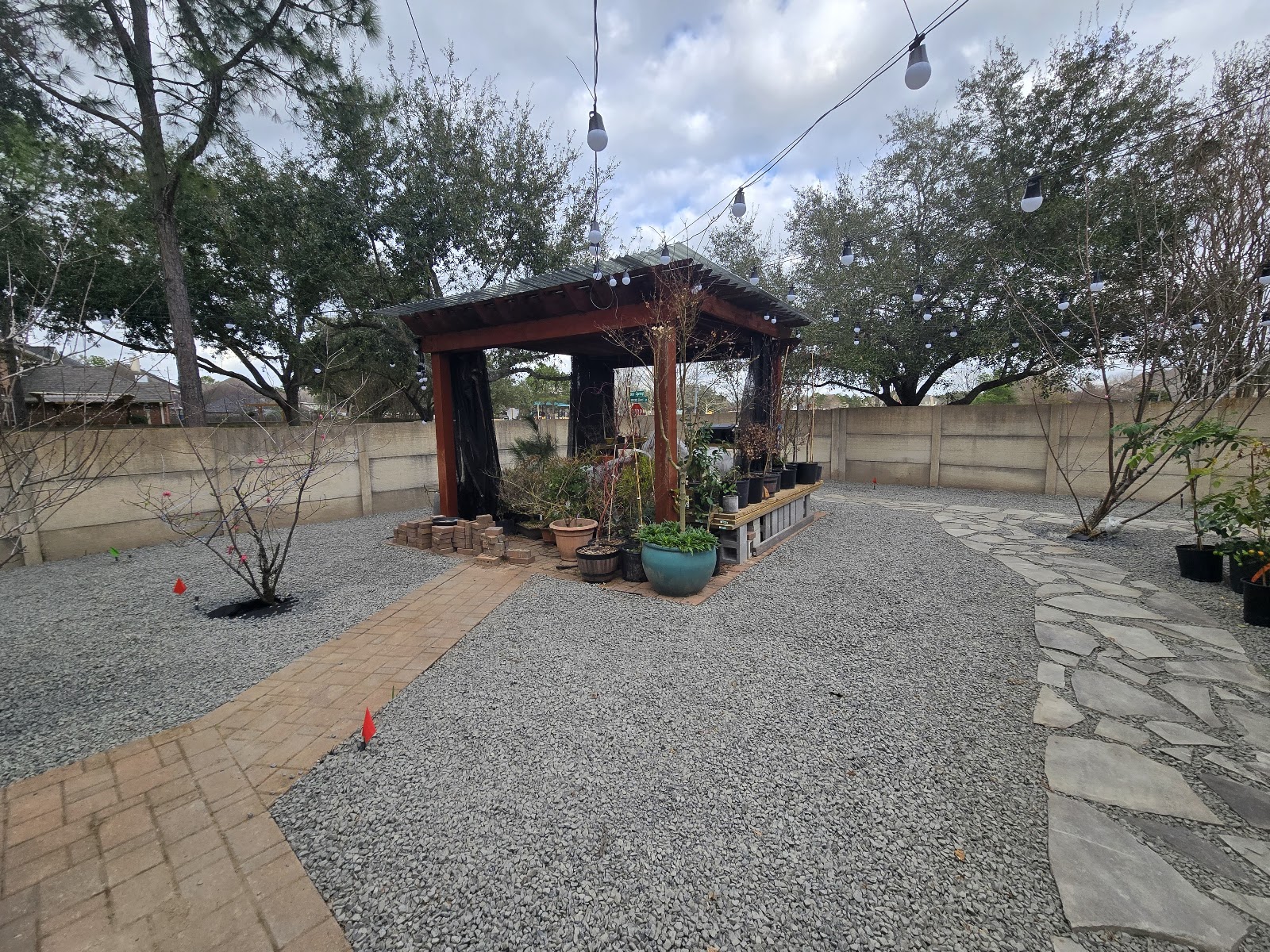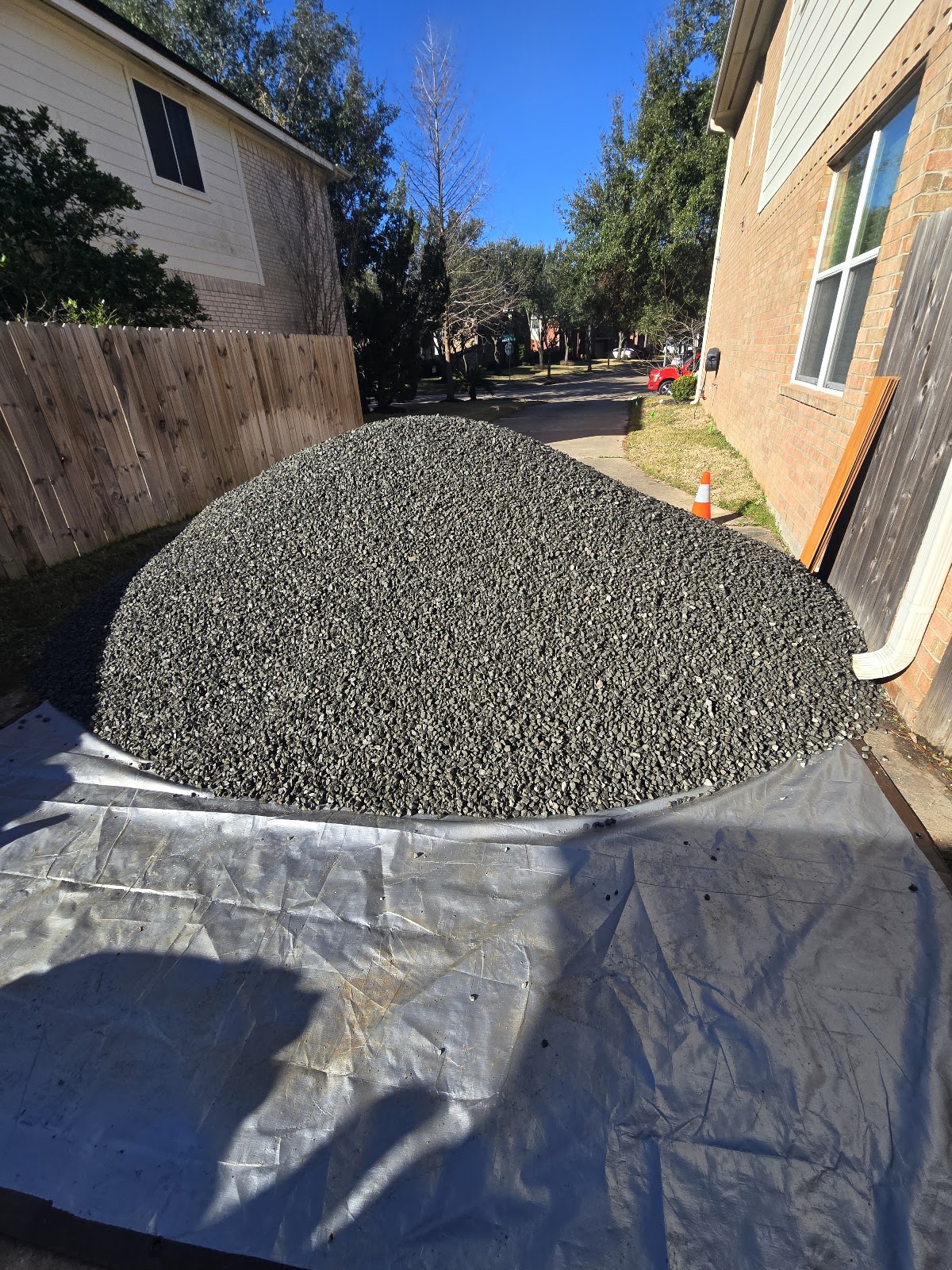
Gravel patios look clean and inviting when they're first laid down, but they need real attention to stay that way in Houston's heat and humidity. We install a lot of gravel patios around the Greater Houston area, and the ones that look good five years later are the ones where the owner stayed on top of basic maintenance. Gravel shifts, settles, compacts, and gets tracked into landscaping beds. Weeds find their way through. Rain can wash fines into your soil, leaving low spots. The good news is that none of this requires special equipment or expertise. You just need to know what to do and how often.
Raking and Leveling Your Gravel
The single most important task is raking. Every few months, especially after heavy Houston rains, your gravel settles and creates uneven spots. Weeds also get easier to spot and pull when you rake. Use a landscape rake, not a leaf rake. You want something with sturdy tines that can move material around. Rake in one direction, then cross-rake to break up any compacted spots. Pay attention to the edges where gravel migrates into mulch beds or onto grass. Push that material back toward the center of the patio. If you notice low spots forming, this is when you add fresh gravel to bring the surface back level. A gravel patio in Houston should get raked at least twice a year, more often if you use it heavily or if you get a lot of rain in a short period.
Dealing with Weeds Before They Take Over
Weeds in gravel are not a sign of failure. They happen. The key is catching them early and pulling them out before they set seed. In Houston's climate, you can have weeds popping up almost year-round, especially in spring and fall. Pull them by hand when the soil is damp, which usually means after rain or after you water nearby plants. Get the whole root if you can. If you let them sit, their seeds will spread and you'll have twice as many next month. For ongoing prevention, a landscape fabric under the gravel helps, but if your patio is already installed without it, don't worry. Just stay consistent with pulling. Some owners in the area use a thin layer of mulch over the gravel in planted areas to suppress weed growth, but keep that mulch a few inches away from any hardscape so it doesn't trap moisture against wood or structures.
Pressure Washing to Remove Dirt and Algae Buildup
Houston's humidity means algae and mold can grow on gravel, especially in shaded areas or where water pools. You'll notice a greenish or blackish film on the surface. A pressure washer set to a low to medium setting will clean this right off. We use 1500 to 2000 PSI for gravel, which is gentle enough not to displace the stones but strong enough to remove buildup. Do this once a year, typically in late spring before summer heat sets in. Avoid blasting at high pressure, which will scatter your gravel everywhere and defeat the purpose. If you don't have a pressure washer, many rental shops in Houston rent them by the day for reasonable rates. Just take your time and keep the nozzle moving to avoid creating bare spots.
Adding Fresh Gravel and Choosing the Right Material
As gravel breaks down and gets displaced, you'll need to add more. Plan on topping off your patio every two to three years, depending on foot traffic and weather. Use the same type and size of gravel as your original installation so it blends in. In Houston, crushed granite and river rock are popular because they hold up well in our heat and don't get as hot underfoot as some other materials. Quarried rock tends to be more affordable than decorative river rock, and it compacts better, which some owners prefer for stability. When you add new gravel, rake it in thoroughly so it integrates with the existing material. A thin layer is better than dumping a big pile and leaving it uneven.
Preventing Drainage Problems
Houston gets heavy rain, and gravel patios need to drain properly. If water is pooling on your patio instead of soaking in, you likely have a slope issue or compaction problem. Rake the surface to loosen compacted areas and improve drainage. If pooling continues, you may need to add gravel to raise low spots and create better pitch away from structures. Make sure water isn't flowing from your patio toward your house foundation. If it is, adjust the slope so water moves away. Good drainage keeps your patio from becoming a mosquito breeding ground and prevents damage to nearby landscape beds.
When to Call in a Professional
If your gravel patio is large, heavily used, or if you're noticing serious settling or drainage issues, it's worth having someone come out and assess it. We can regrade the base, add fresh material, and make sure the whole system is working the way it should. Regular maintenance keeps costs down and your patio looking good for years.
Call UVP Lawn Care and Landscaping in Houston if you want help keeping your gravel patio in shape or if you're thinking about installing one.