Skipping weed barrier under gravel in Houston is a mistake that costs money and time later. The Texas heat and humidity create perfect conditions for weeds to push right through loose gravel, and once they take hold, removing them becomes a bigger job than the barrier would have been. We see this problem constantly in our work around the Houston area, and it's one of the easiest headaches to prevent upfront.
Weeds Will Grow Through Gravel Without a Barrier
In Houston's climate, weed seeds are everywhere. They blow in on the wind, hide in mulch, and wait in the soil. Without a barrier between the soil and your gravel, those seeds find moisture, warmth, and loose material to root into. Within weeks of a good rain, you'll see green shoots coming up through your gravel beds. The gravel itself does almost nothing to stop this. It just sits on top of the soil and lets seeds germinate underneath.
The problem gets worse as the season goes on. Weeds establish deeper roots, spread wider, and become harder to pull out without disturbing your gravel. In Houston's humid summers, the ground stays moist longer, which actually speeds up weed growth.
Your Maintenance Costs Climb Fast
Without a barrier, you're looking at hand-pulling weeds every few weeks during the growing season. That's April through November in Houston, sometimes longer. If you hire someone to do it, that's recurring labor costs. If you do it yourself, that's your time spent kneeling in the heat pulling crabgrass and spurge out of gravel.
Some property owners try to spray herbicides on gravel beds to kill weeds. That works temporarily, but you have to reapply it regularly, and chemicals can drift onto plants you want to keep. The cost of repeated applications adds up faster than the cost of a good barrier installed once.
The Gravel Migrates Into Your Soil
Over time, without a barrier separating the two, your gravel works its way down into the soil below. Rain, foot traffic, and equipment movement push gravel deeper. Meanwhile, soil works its way up and mixes with the gravel. After a year or two, you've got a muddy, half-gravel mess that looks sloppy and doesn't function well for drainage or appearance.
In Houston, where we get heavy rain events, this mixing happens faster. Water movement pushes material around. A barrier keeps the layers distinct and your gravel on top where it belongs.
Insects and Moisture Problems
Gravel without a barrier sits directly on moist soil, especially in Houston's humid climate. This creates ideal conditions for fire ants, crickets, and other pests to nest in the gravel. The moisture underneath never fully evaporates, which can lead to smell issues and pest problems that spread toward your home.
A good barrier improves drainage and reduces the moisture underneath, which makes the area less attractive to insects looking for damp ground to colonize.
Installation Is Simple and Inexpensive
A quality landscape fabric barrier costs very little compared to what you'll spend fighting weeds for the next two years. We typically use a commercial-grade woven fabric that lasts 5 to 10 years, depending on sun exposure and traffic. It's not the flimsy plastic stuff you find at big-box stores. Real landscape fabric breathes, allows water through, and blocks weeds effectively.
Installation takes an afternoon for most gravel beds. The fabric goes down, gets secured at edges, and then gravel goes on top. That's it. In Houston, we usually lay barrier in spring before the heavy weed season kicks in, or in fall when the ground is easier to work with.
The Right Barrier for Houston Conditions
Not all barriers work the same. Cheap plastic sheeting tears easily and traps moisture underneath, which backfires in our humid climate. Thin fabric degrades quickly under Texas sun. We use woven geotextile that's thick enough to handle foot traffic and UV exposure without falling apart after one summer.
Edge treatment matters too. Weeds will creep in around the sides if you don't secure the barrier at the perimeter. We fold edges under and pin them or use landscape edging to hold everything in place.
What We Do at UVP Lawn Care and Landscaping
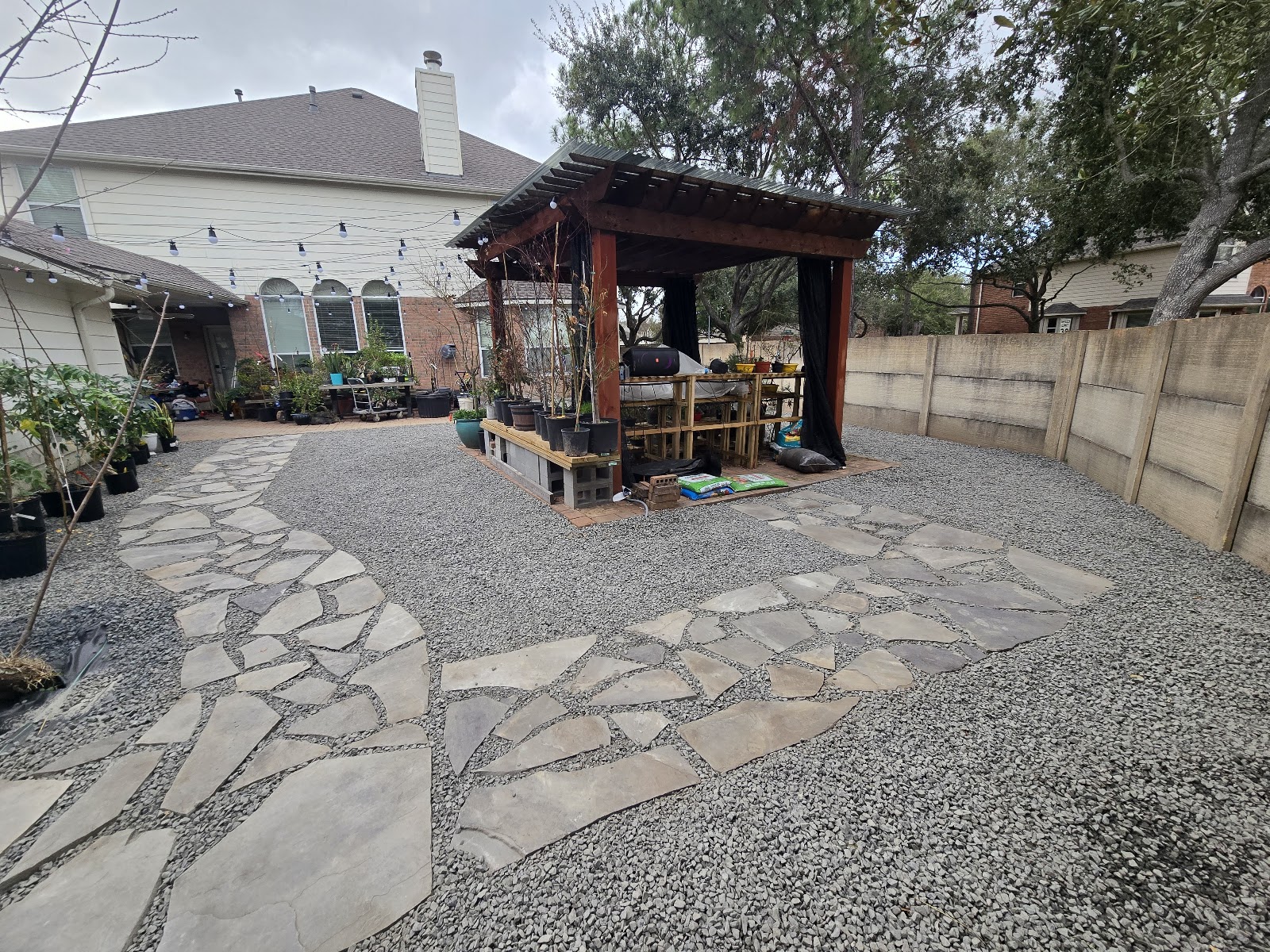
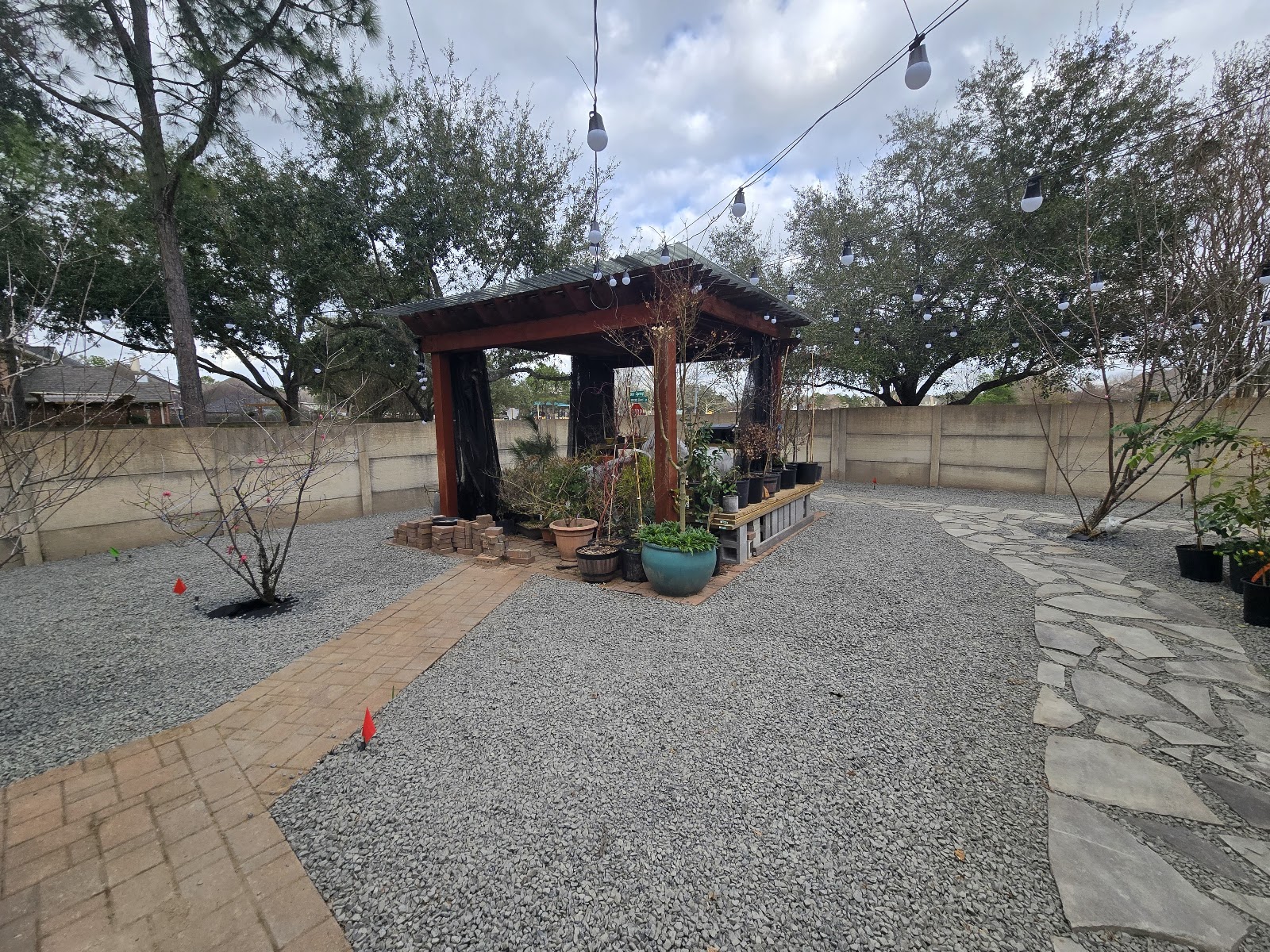
If you're planning gravel beds or already dealing with a weedy mess, we can handle the whole job. We remove old gravel if needed, install proper barrier, and lay fresh gravel so it actually stays where you put it. We also pressure wash gravel areas to clean them up when algae or dirt buildup happens, which is common in Houston's wet season.
Call UVP Lawn Care and Landscaping in Houston and we'll give you a straightforward estimate. A barrier installed right saves you money and frustration for years.