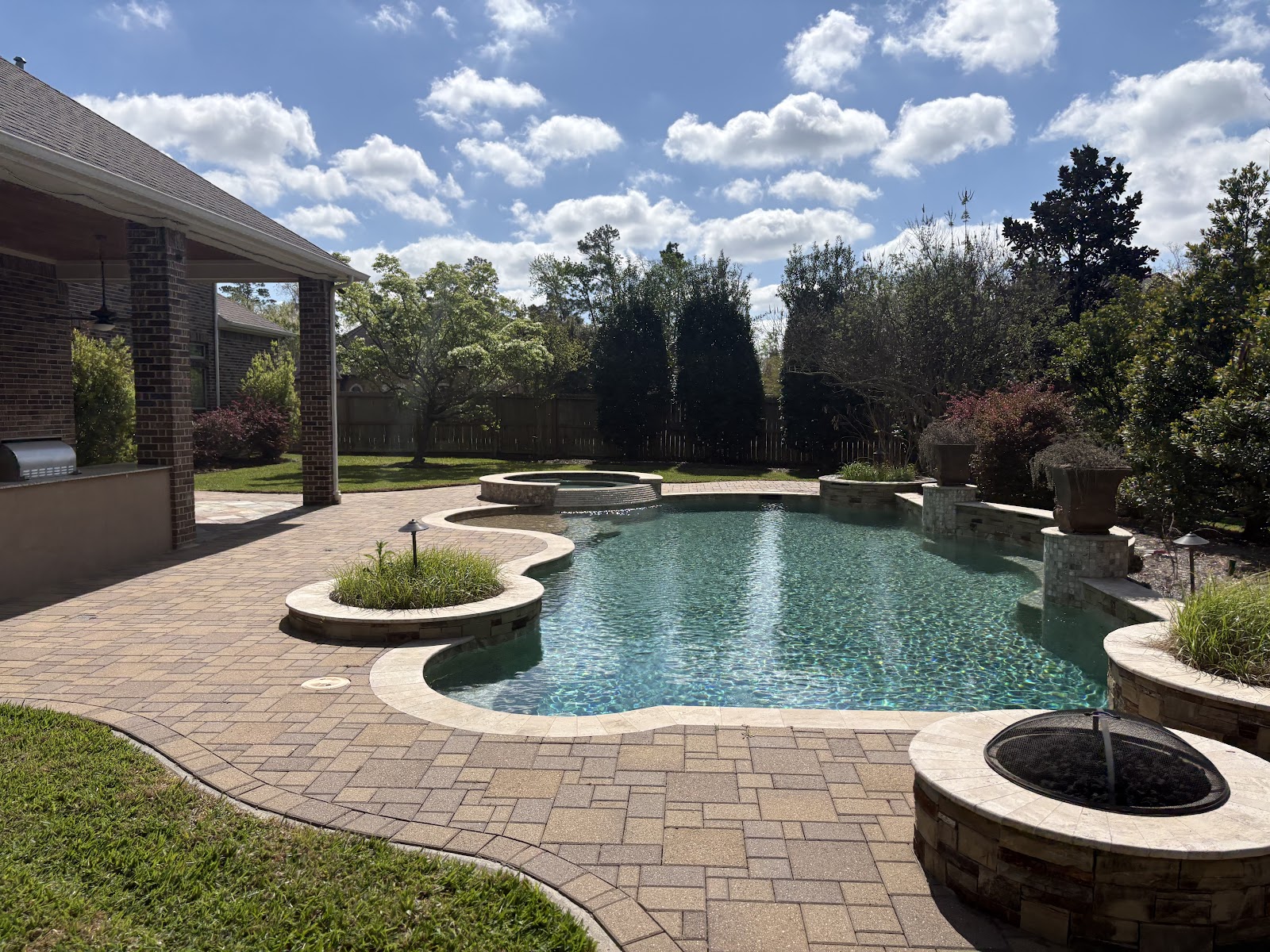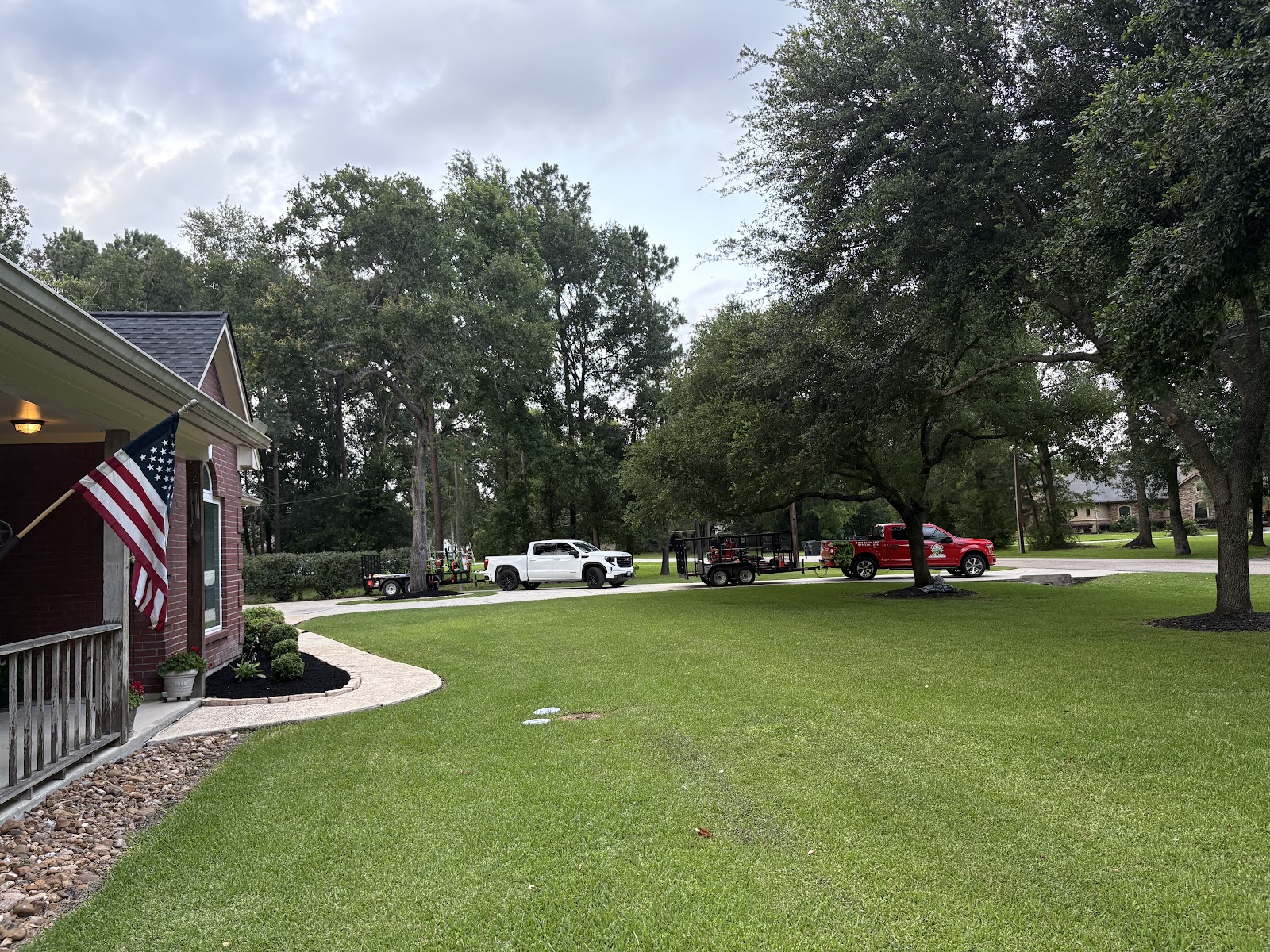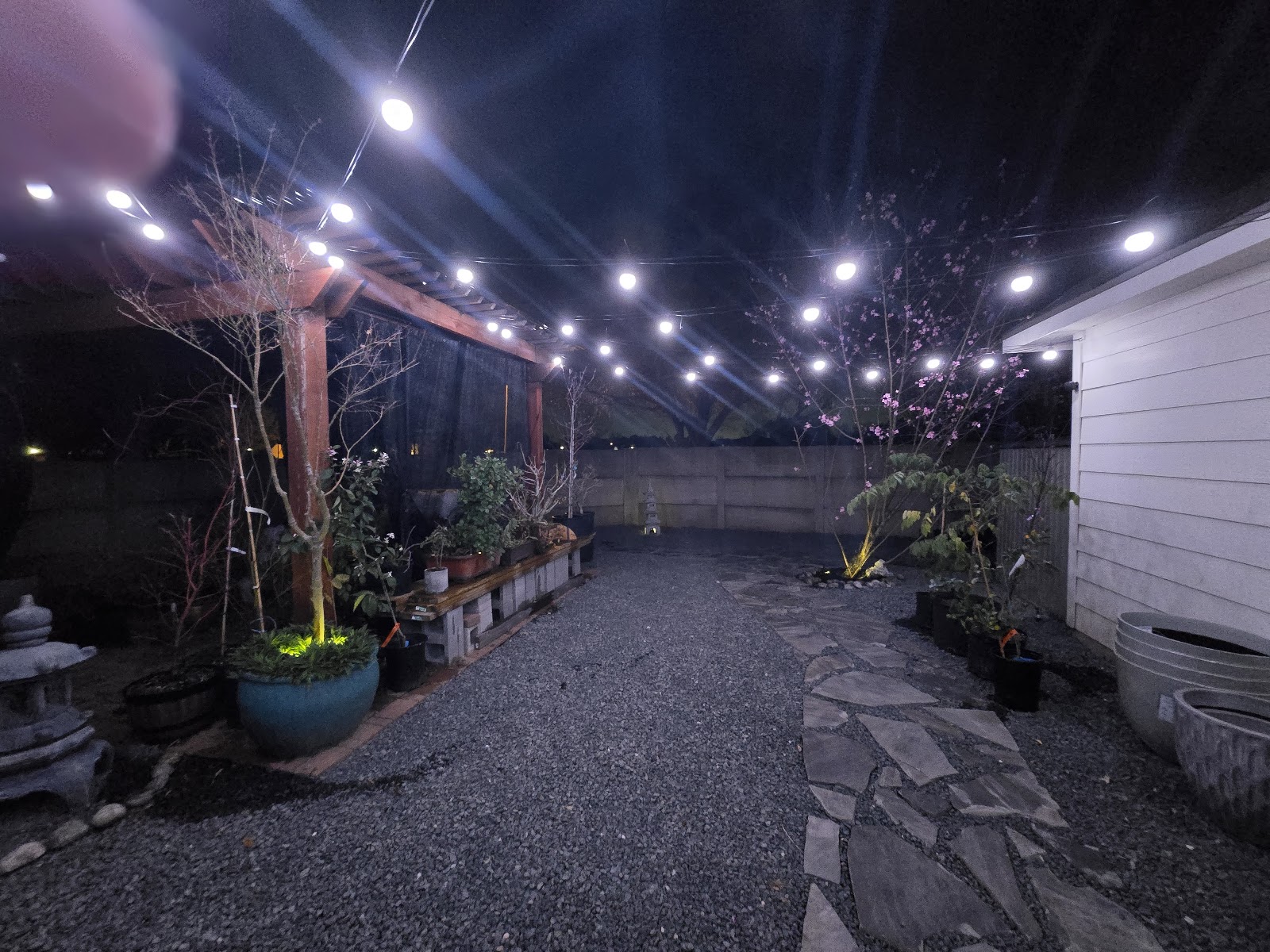
In Houston's heat and humidity, what you put around your plants matters more than most homeowners realize. Mulch and gravel both have real jobs to do in a flower bed, but they work differently in our climate. Pick the wrong one and you'll either be watering constantly, fighting mold, or watching weeds take over. The choice comes down to what you're actually trying to accomplish, how much maintenance you want to do, and what your soil and drainage situation looks like right now.
Mulch Holds Moisture and Feeds Your Soil
Mulch is organic material, usually shredded wood or bark, that breaks down over time. In Houston, that's both a strength and something to watch. When you spread 2 to 3 inches of mulch around your flower beds, it acts like a blanket. It keeps the soil temperature more stable during our brutal summers and holds moisture in. That means less watering during the hot months, which saves you money and time.
As mulch breaks down, it adds organic matter back into your soil. Our Houston clay needs this. Better soil structure means better drainage and better root development. If your beds are new or you have heavy clay, mulch is doing real work for you.
The catch is that mulch can hold too much moisture in our humid climate. If you have poor drainage already, mulch sitting on top of soggy soil can encourage fungal issues and rot around plant crowns. You also need to replace it every 18 to 24 months as it decomposes. That's a real cost and labor commitment. Mulch also attracts termites and other wood-eating insects if it touches your house, so you need clearance between your home's foundation and your mulch line.
Gravel Drains Fast and Stays Put
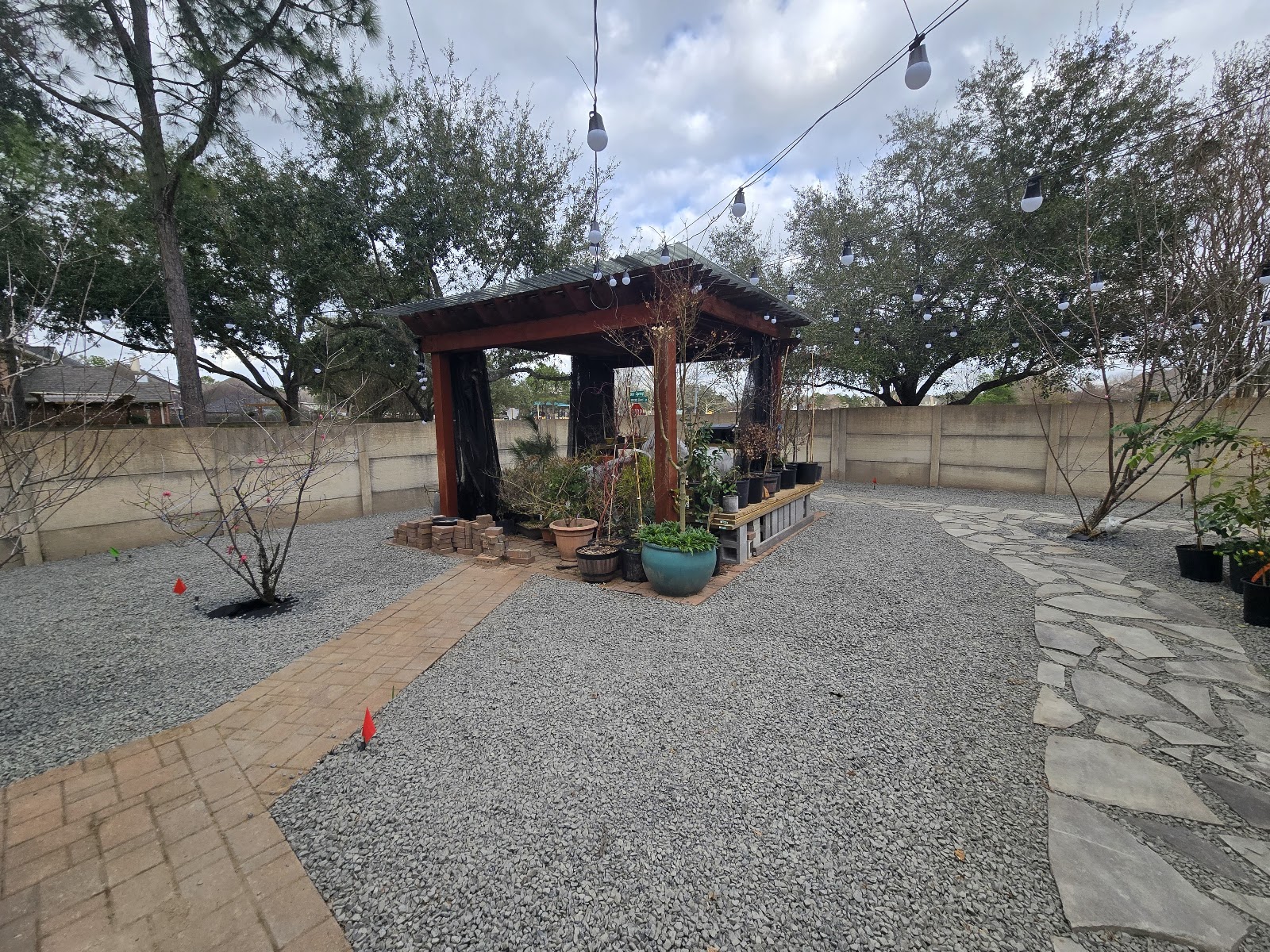
Gravel, whether it's pea gravel, crushed granite, or river rock, doesn't break down. It sits there year after year. In Houston, where we get heavy rain and humidity, fast drainage is valuable. Gravel lets water move through quickly, which means less standing water around your plants and less chance of root rot.
Gravel also doesn't attract insects the way mulch does. You won't have termites marching from your flower bed toward your house. And you won't be replacing it every couple of years. Spread it once and you're done for a long time.
The downside is that gravel does nothing for your soil. It doesn't improve structure or add nutrients. If your beds already have decent soil, that's fine. If you're starting from scratch or have heavy clay, you're missing the chance to build something better. Gravel also gets hot in direct sun, which can stress plant roots and dry out soil faster. In Houston's summer sun, that matters.
Houston's Climate Tilts the Equation
Our humidity and rainfall change how these materials behave. Mulch breaks down faster here than it would in drier regions. You might get 18 months instead of 24 before you need to refresh it. The heat speeds decomposition.
Our summer storms dump a lot of water fast. If your drainage is already poor, mulch can trap moisture. Gravel handles that better. But if you're in an area with good slope and drainage, mulch's moisture retention is actually an advantage during our hot, dry spells in late summer.
Termites are a real Houston concern. If your flower beds run close to your house, gravel is the safer choice. Mulch needs a 12-inch clearance minimum from your foundation, and even then, some people prefer gravel for that peace of mind.
Mix Them or Choose Based on Your Situation
You don't have to pick one or the other everywhere. Many homeowners use mulch in beds away from the house where drainage is good and soil needs building. They use gravel in foundation beds, in shady areas where moisture lingers, or in spots where they want zero maintenance.
If your soil is already rich and drains well, gravel works fine. If your soil is clay-heavy or compacted, mulch earns its place. If you have drainage problems, gravel is the answer. If you're fighting dryness, mulch helps.
What to Actually Do
Start by looking at your soil and how water moves through your beds after rain. Dig down 6 inches and feel it. Is it hard and dense or crumbly. Does water puddle or drain away. That tells you what you need.
Consider your maintenance budget and time. Mulch is more work but builds soil. Gravel is set-it-and-forget-it but doesn't improve anything.
Think about where your beds are relative to your house. Near the foundation, gravel is the smarter choice in Houston.
If you're not sure about your drainage or your soil, or if you want help choosing materials that actually fit your yard's conditions, UVP Lawn Care & Landscaping handles this for Houston homeowners all the time. We can walk your beds with you and recommend what makes sense for your specific setup. Call us and let's talk about what your flower beds actually need.