Grading your yard before laying gravel is one of those jobs that separates a landscape that holds up for years from one that turns into a muddy mess or collects standing water every time it rains. In Houston especially, where we get heavy downpours and clay soil that doesn't drain well, getting the grade right before you pour gravel is not optional. I've seen too many homeowners spend money on gravel only to watch it sink, scatter, or become a breeding ground for mosquitoes because the underlying ground wasn't prepared. The good news is that grading isn't complicated, and knowing when and how to do it will save you money and headaches down the road.
Why Houston Soil Makes Grading Essential
Houston sits on clay-heavy soil that holds water like a sponge. When you lay gravel directly on flat, compacted clay without any slope or drainage prep, water pools underneath and on top. That standing water kills the aesthetic and creates ideal conditions for mosquitoes and algae. A proper grade directs water away from your house and toward natural drainage points. Even a slope of 1 to 2 percent, which is barely noticeable to the eye, makes a real difference. You don't need the yard to look like a hill. You just need water to move.
When You Absolutely Need to Grade
You should grade before gravel if you're dealing with a flat area where water currently pools after rain, if the ground is compacted hard clay, if you're creating a new bed or pathway, or if you're working near your foundation or a structure. Grade is also essential if you're installing gravel in an area where the existing soil is uneven and settling. Areas around new construction, where heavy equipment has packed the soil, definitely need grading. If you're simply refreshing gravel on an established, well-draining area that hasn't had water issues, you might skip grading and just top it off. But when in doubt, grade.
How to Grade Your Yard for Gravel
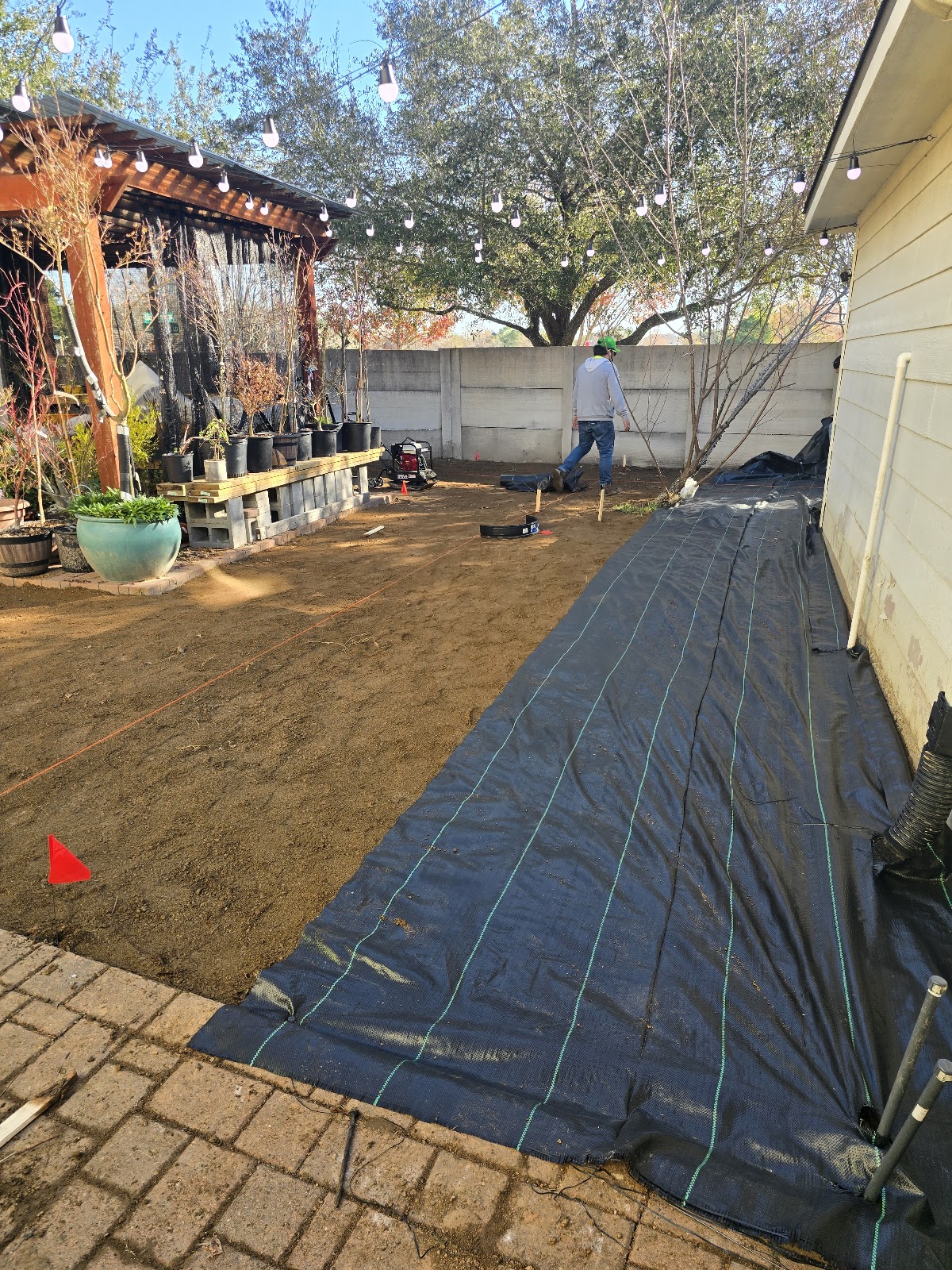
Start by removing any existing vegetation, roots, or debris from the area. Use a shovel to break up compacted clay and loosen the top 3 to 4 inches of soil. This is the critical step in Houston clay. You can't just smooth over hard-packed ground and expect water to drain. Once the soil is loosened, you'll establish your slope. Use a long straight board or a level to determine the high and low points. The high point should be nearest your house or the area you want to protect. The low point should be toward a drainage area, a street, or a natural slope away from structures. Tamp the graded soil lightly with a hand tamper or the back of a shovel. You want it firm enough to support gravel but not so compacted that water can't move through it. A light, even pressure is all you need.
Tools and Materials You'll Need
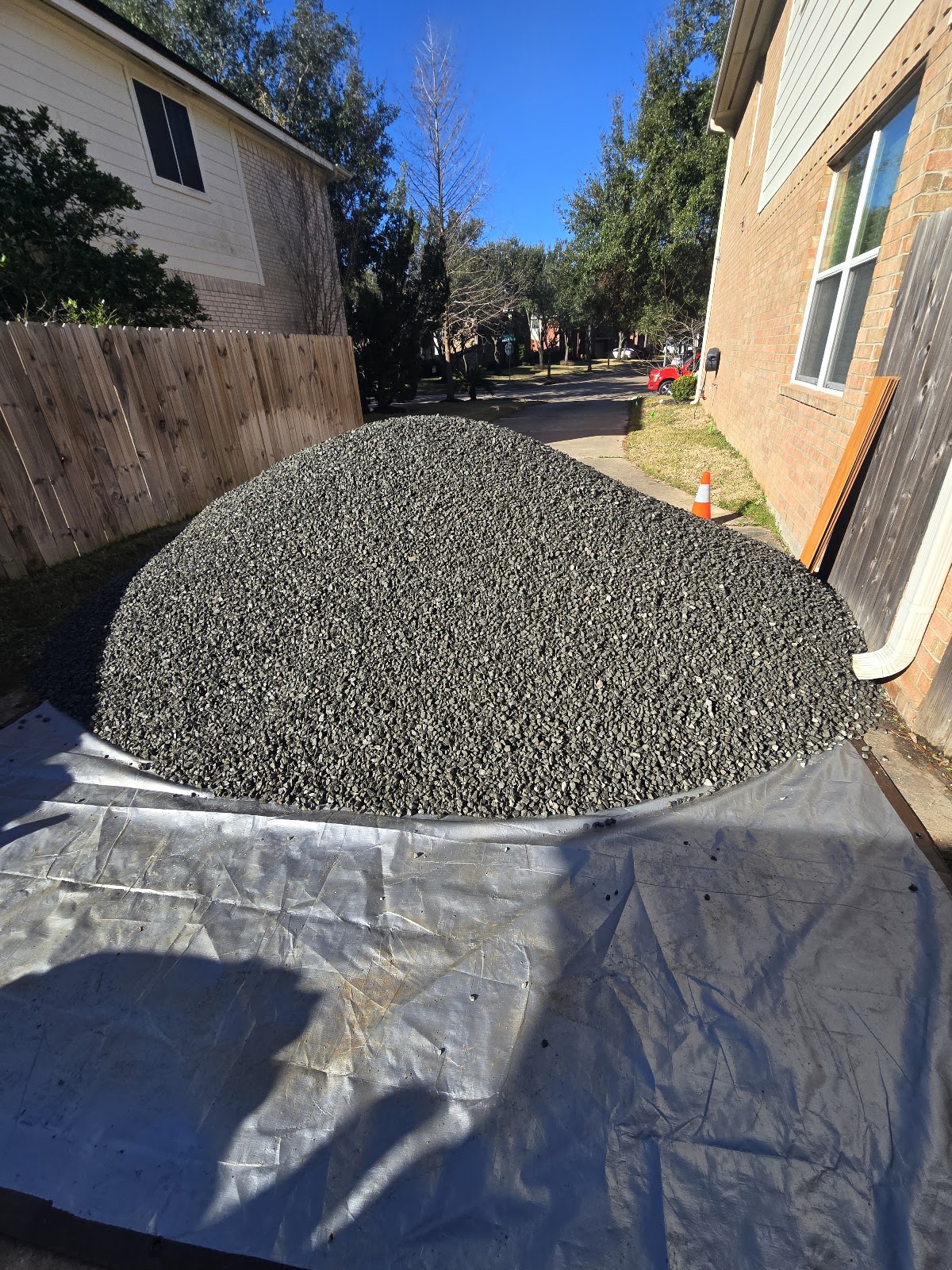
A square shovel, a hand tamper or plate compactor if you're doing a large area, a long straight board for checking slope, and a basic level are the essentials. You might also grab a wheelbarrow for moving soil and a rake to smooth things out. If you're grading more than a few hundred square feet, renting a small walk-behind plate compactor from a local equipment rental shop makes the job faster and gives you a more consistent result. For the gravel itself, crushed limestone or pea gravel work well in Houston. Crushed limestone is more stable and won't scatter as easily as pea gravel, but pea gravel looks cleaner. Either way, you want to lay at least 2 to 3 inches of gravel over your graded base.
Signs You Should Hire a Professional
If the area is larger than 500 square feet, if you need to move a lot of soil, or if you're not confident about establishing proper drainage slope, call someone who does this regularly. Improper grading can direct water toward your foundation or your neighbor's property, and fixing that mistake is expensive. If you have trees or existing landscaping that you want to preserve, a professional will work around those without damaging roots. UVP Lawn Care and Landscaping in Houston can handle the grading work and get your base ready for gravel the right way. We see the drainage patterns in your yard and know how Houston soil behaves. It's worth getting it right the first time.
Maintenance After Gravel Installation
Once your gravel is down on a properly graded base, rake it smooth every few months and top it off once a year. The gravel will settle and spread, especially in high-traffic areas. Check after heavy rains to make sure water is moving the way you intended. If you notice pooling, you may need to adjust the grade or add drainage. A well-graded yard with good gravel will look clean and stay functional for 3 to 5 years before needing significant refresh.
If you're planning a gravel project in Houston and want the foundation done right, reach out to UVP Lawn Care and Landscaping. We'll assess your drainage needs and get your yard graded properly so your gravel actually stays put and does its job.